 Add to Chrome
 Add to Firefox
 Add to Edge
PatientVLM Meets DocVLM: Pre-Consultation Dialogue Between Vision-Language Models for Efficient Diagnosis
Jan 16, 2026
Traditionally, AI research in medical diagnosis has largely centered on image analysis. While this has led to notable advancements, the absence of patient-reported symptoms continues to hinder diagnostic accuracy. To address this, we propose a Pre-Consultation Dialogue Framework (PCDF) that mimics real-world diagnostic procedures, where doctors iteratively query patients before reaching a conclusion. Specifically, we simulate diagnostic dialogues between two vision-language models (VLMs): a DocVLM, which generates follow-up questions based on the image and dialogue history, and a PatientVLM, which responds using a symptom profile derived from the ground-truth diagnosis. We additionally conducted a small-scale clinical validation of the synthetic symptoms generated by our framework, with licensed clinicians confirming their clinical relevance, symptom coverage, and overall realism. These findings indicate that the resulting DocVLM-PatientVLM interactions form coherent, multi-turn consultations paired with images and diagnoses, which we then use to fine-tune the DocVLM. This dialogue-based supervision leads to substantial gains over image-only training, highlighting the value of realistic symptom elicitation for diagnosis.

A CNN-LSTM-based hybrid deep learning approach to detect sentiment polarities on Monkeypox tweets
Aug 25, 2022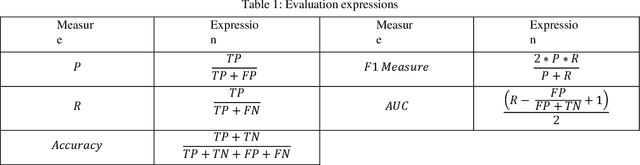
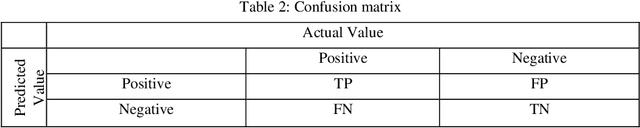
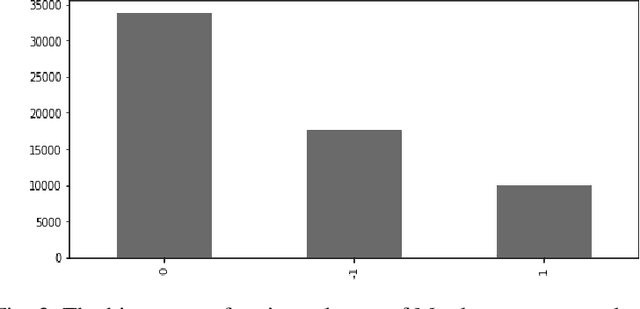
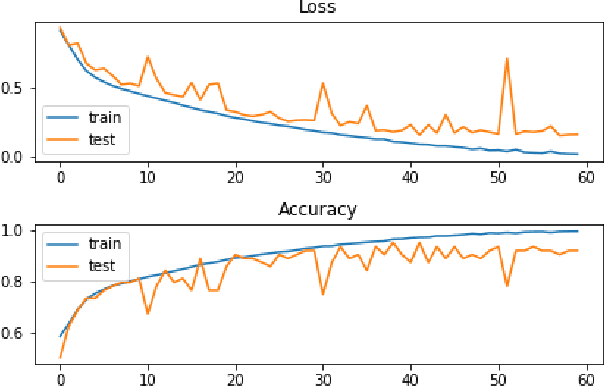
People have recently begun communicating their thoughts and viewpoints through user-generated multimedia material on social networking websites. This information can be images, text, videos, or audio. Recent years have seen a rise in the frequency of occurrence of this pattern. Twitter is one of the most extensively utilized social media sites, and it is also one of the finest locations to get a sense of how people feel about events that are linked to the Monkeypox sickness. This is because tweets on Twitter are shortened and often updated, both of which contribute to the platform's character. The fundamental objective of this study is to get a deeper comprehension of the diverse range of reactions people have in response to the presence of this condition. This study focuses on finding out what individuals think about monkeypox illnesses, which presents a hybrid technique based on CNN and LSTM. We have considered all three possible polarities of a user's tweet: positive, negative, and neutral. An architecture built on CNN and LSTM is utilized to determine how accurate the prediction models are. The recommended model's accuracy was 94% on the monkeypox tweet dataset. Other performance metrics such as accuracy, recall, and F1-score were utilized to test our models and results in the most time and resource-effective manner. The findings are then compared to more traditional approaches to machine learning. The findings of this research contribute to an increased awareness of the monkeypox infection in the general population.