 Add to Chrome
 Add to Firefox
 Add to Edge
Decision-focused learning for optimal PV-Battery scheduling
May 27, 2026
The use of residential photovoltaics has increased dramatically in recent years. With battery systems becoming more affordable, the optimal operation of a photovoltaic-battery system can bring significant savings to households. Optimal control requires correct forecasts of underlying parameters, such as photovoltaic power generation, to schedule the battery. While forecasting models have become increasingly accurate due to algorithmic advances and data availability, accuracy is typically measured in generic metrics which might not align with the downstream application. This study proposes a decision-focused learning framework that integrates optimization and prediction by training a Long Short-Term Memory photovoltaic energy forecaster on the downstream optimal scheduling of a battery system. The proposed methodology is compared against a standard two-phase approach. Across a 14-month evaluation period, the decision-focused method reduced average electricity costs across twenty buildings by 3.6% when normalized against performance bounds defined by a perfect forecast and a baseline of no optimization. Critically, this financial improvement was achieved despite the model exhibiting a root mean squared error of 19.9%, significantly higher than the decoupled model's 8.2%. Warm-starting the decision-focused model further improves results, lowering average cost by approximately 8%, while also mitigating the negative impact on statistical accuracy (root mean squared error of 13.7%). The findings are statistically significant at the 0.001 level across the twenty households and for each household individually. These results demonstrate that aligning forecast models with optimization goals is key for achieving cost advantages in PV-battery systems. Future research should replicate these findings on other datasets, alternate forecasting models and alternate optimization algorithms.

SolNet: Open-source deep learning models for photovoltaic power forecasting across the globe
May 23, 2024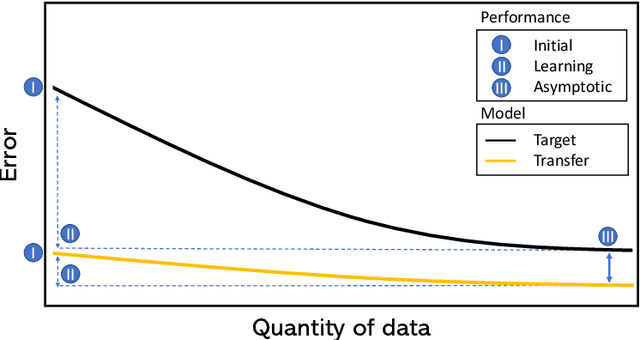
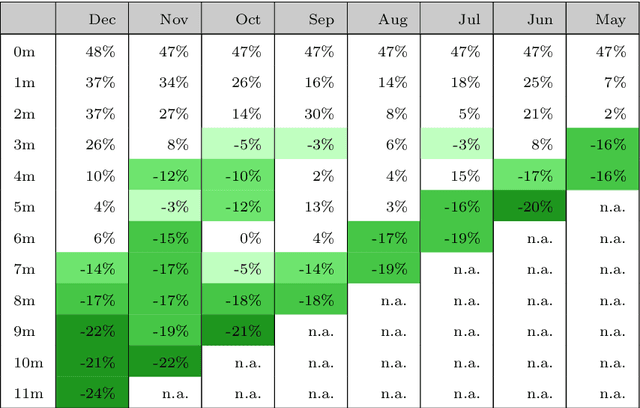
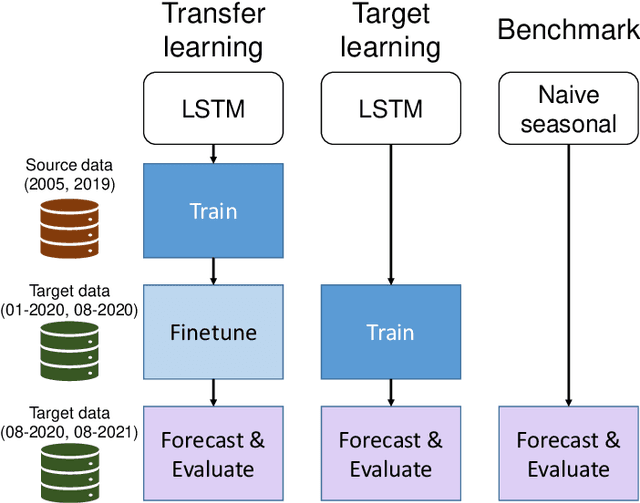
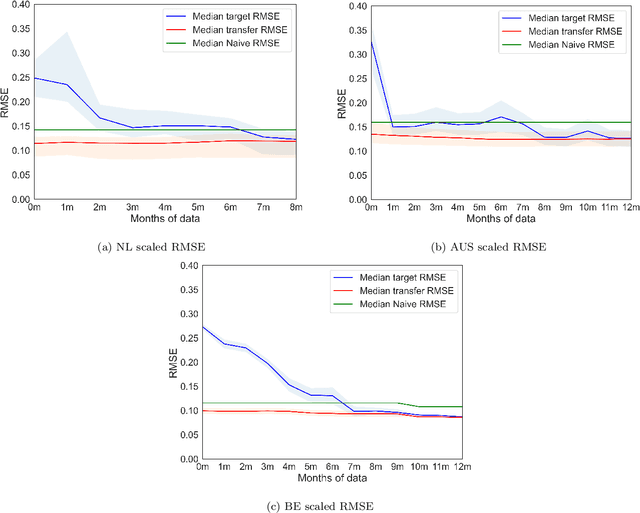
Deep learning models have gained increasing prominence in recent years in the field of solar pho-tovoltaic (PV) forecasting. One drawback of these models is that they require a lot of high-quality data to perform well. This is often infeasible in practice, due to poor measurement infrastructure in legacy systems and the rapid build-up of new solar systems across the world. This paper proposes SolNet: a novel, general-purpose, multivariate solar power forecaster, which addresses these challenges by using a two-step forecasting pipeline which incorporates transfer learning from abundant synthetic data generated from PVGIS, before fine-tuning on observational data. Using actual production data from hundreds of sites in the Netherlands, Australia and Belgium, we show that SolNet improves forecasting performance over data-scarce settings as well as baseline models. We find transfer learning benefits to be the strongest when only limited observational data is available. At the same time we provide several guidelines and considerations for transfer learning practitioners, as our results show that weather data, seasonal patterns, amount of synthetic data and possible mis-specification in source location, can have a major impact on the results. The SolNet models created in this way are applicable for any land-based solar photovoltaic system across the planet where simulated and observed data can be combined to obtain improved forecasting capabilities.