 Add to Chrome
 Add to Firefox
 Add to Edge
Machine learning based modelling and optimization in hard turning of AISI D6 steel with newly developed AlTiSiN coated carbide tool
Jan 30, 2022


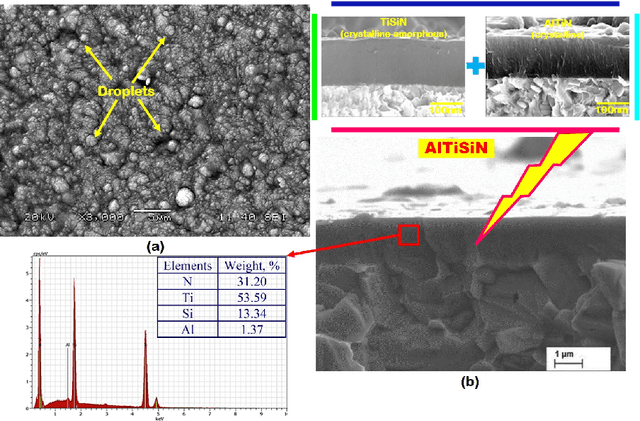

In recent times Mechanical and Production industries are facing increasing challenges related to the shift toward sustainable manufacturing. In this article, machining was performed in dry cutting condition with a newly developed coated insert called AlTiSiN coated carbides coated through scalable pulsed power plasma technique in dry cutting condition and a dataset was generated for different machining parameters and output responses. The machining parameters are speed, feed, depth of cut and the output responses are surface roughness, cutting force, crater wear length, crater wear width, and flank wear. The data collected from the machining operation is used for the development of machine learning (ML) based surrogate models to test, evaluate and optimize various input machining parameters. Different ML approaches such as polynomial regression (PR), random forest (RF) regression, gradient boosted (GB) trees, and adaptive boosting (AB) based regression are used to model different output responses in the hard machining of AISI D6 steel. The surrogate models for different output responses are used to prepare a complex objective function for the germinal center algorithm-based optimization of the machining parameters of the hard turning operation.

Machine Learning for Naval Architecture, Ocean and Marine Engineering
Sep 01, 2021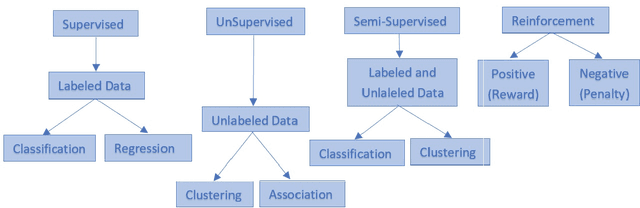
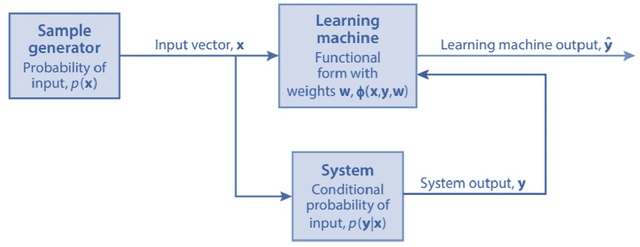
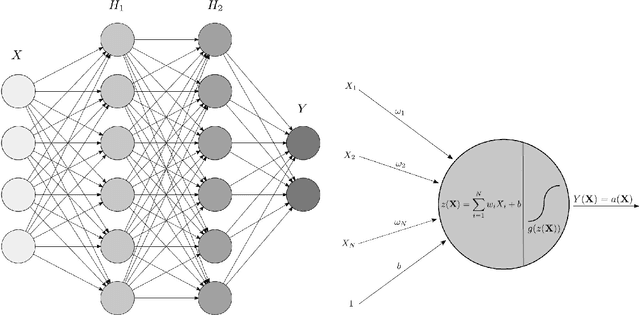
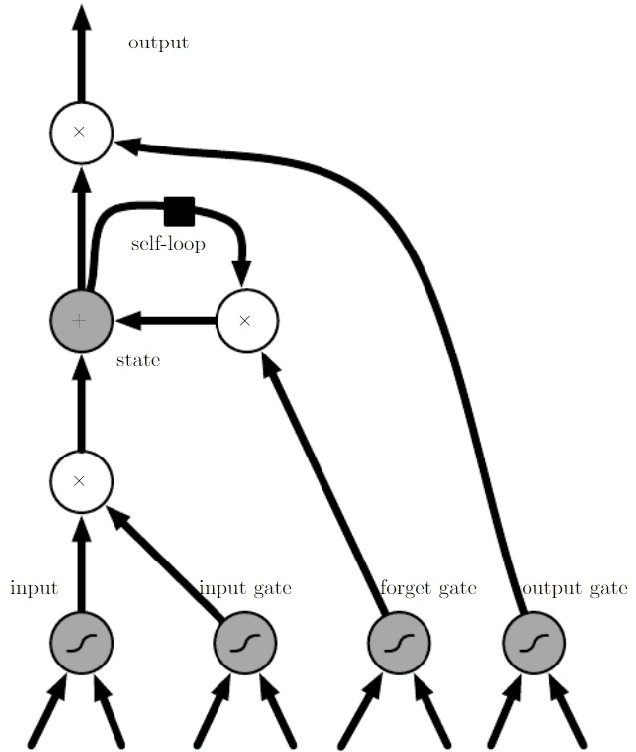
Machine Learning (ML) based algorithms have found significant impact in many fields of engineering and sciences, where datasets are available from experiments and high fidelity numerical simulations. Those datasets are generally utilized in a machine learning model to extract information about the underlying physics and derive functional relationships mapping input variables to target quantities of interest. Commonplace machine learning algorithms utilized in Scientific Machine Learning (SciML) include neural networks, regression trees, random forests, support vector machines, etc. The focus of this article is to review the applications of ML in naval architecture, ocean, and marine engineering problems; and identify priority directions of research. We discuss the applications of machine learning algorithms for different problems such as wave height prediction, calculation of wind loads on ships, damage detection of offshore platforms, calculation of ship added resistance, and various other applications in coastal and marine environments. The details of the data sets including the source of data-sets utilized in the ML model development are included. The features used as the inputs to the ML models are presented in detail and finally, the methods employed in optimization of the ML models were also discussed. Based on this comprehensive analysis we point out future directions of research that may be fruitful for the application of ML to the ocean and marine engineering problems.