 Add to Chrome
 Add to Firefox
 Add to Edge
The Power of Communities: A Text Classification Model with Automated Labeling Process Using Network Community Detection
Sep 25, 2019
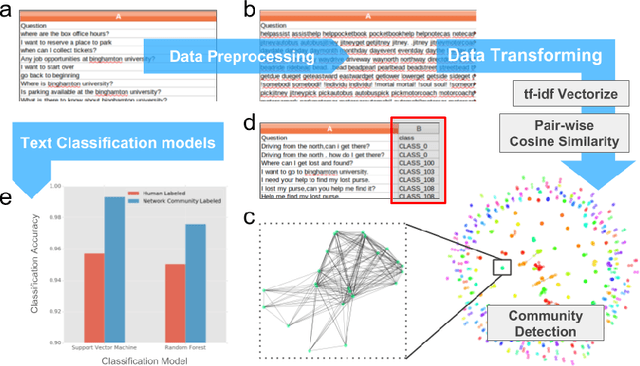
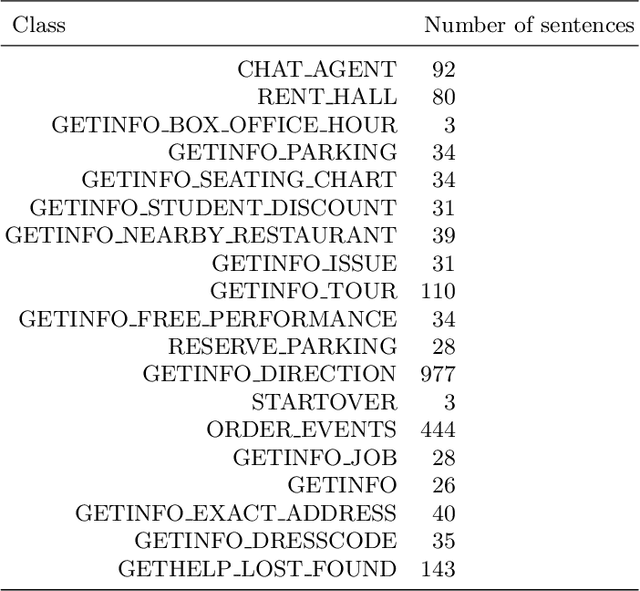
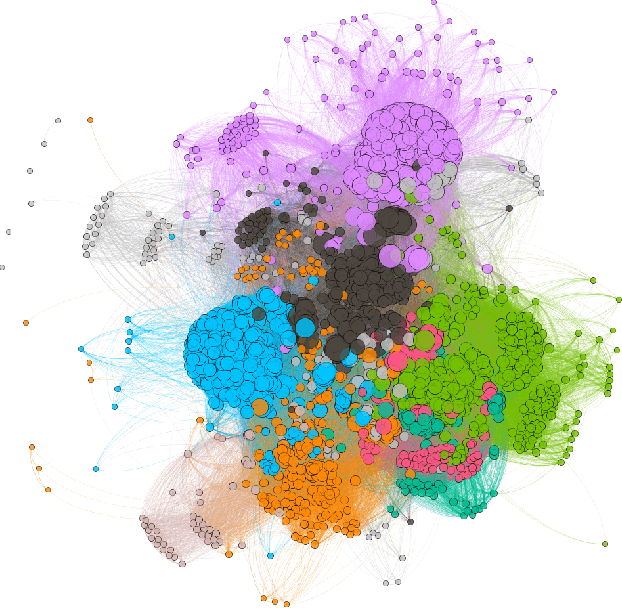
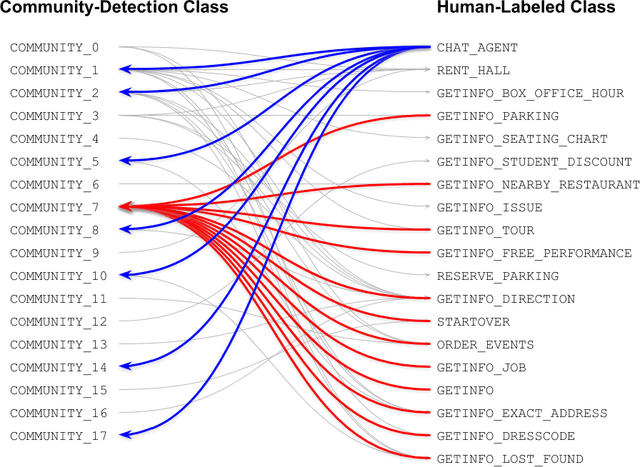
The text classification is one of the most critical areas in machine learning and artificial intelligence research. It has been actively adopted in many business applications such as conversational intelligence systems, news articles categorizations, sentiment analysis, emotion detection systems, and many other recommendation systems in our daily life. One of the problems in supervised text classification models is that the models performance depend heavily on the quality of data labeling that are typically done by humans. In this study, we propose a new network community detection-based approach to automatically label and classify text data into multiclass value spaces. Specifically, we build a network with sentences as the network nodes and pairwise cosine similarities between TFIDF vector representations of the sentences as the network link weights. We use the Louvain method to detect the communities in the sentence network. We train and test Support vector machine and Random forest models on both the human labeled data and network community detection labeled data. Results showed that models with the data labeled by network community detection outperformed the models with the human-labeled data by 2.68-3.75% of classification accuracy. Our method may help development of a more accurate conversational intelligence system and other text classification systems.

Self-Organization and Artificial Life
Mar 14, 2019Self-organization can be broadly defined as the ability of a system to display ordered spatio-temporal patterns solely as the result of the interactions among the system components. Processes of this kind characterize both living and artificial systems, making self-organization a concept that is at the basis of several disciplines, from physics to biology to engineering. Placed at the frontiers between disciplines, Artificial Life (ALife) has heavily borrowed concepts and tools from the study of self-organization, providing mechanistic interpretations of life-like phenomena as well as useful constructivist approaches to artificial system design. Despite its broad usage within ALife, the concept of self-organization has been often excessively stretched or misinterpreted, calling for a clarification that could help with tracing the borders between what can and cannot be considered self-organization. In this review, we discuss the fundamental aspects of self-organization and list the main usages within three primary ALife domains, namely "soft" (mathematical/computational modeling), "hard" (physical robots), and "wet" (chemical/biological systems) ALife. Finally, we discuss the usefulness of self-organization within ALife studies, point to perspectives for future research, and list open questions.
Cardinality Leap for Open-Ended Evolution: Theoretical Consideration and Demonstration by "Hash Chemistry"
Oct 02, 2018Open-ended evolution requires unbounded possibilities that evolving entities can explore. The cardinality of those possibilities thus has a significant implication for the open-endedness of evolution. We propose that facilitating formation of higher-order entities is a generalizable, effective way to cause a "cardinality leap" in the set of possibilities that promotes open-endedness. We demonstrate this idea with a simple, proof-of-concept toy model called "Hash Chemistry" that uses a hash function as a fitness evaluator of evolving entities of any size/order. Simulation results showed that the number of individual entities involved in a single replication event gradually increased over time, indicating evolutionary appearance of higher-order entities. It was also observed that the cumulative number of unique replicating entities that appeared in evolution increased almost linearly along time without a bound, presenting a concrete example of open-endedness achieved by the cardinality leap.
Seeking Open-Ended Evolution in Swarm Chemistry II: Analyzing Long-Term Dynamics via Automated Object Harvesting
Jun 03, 2018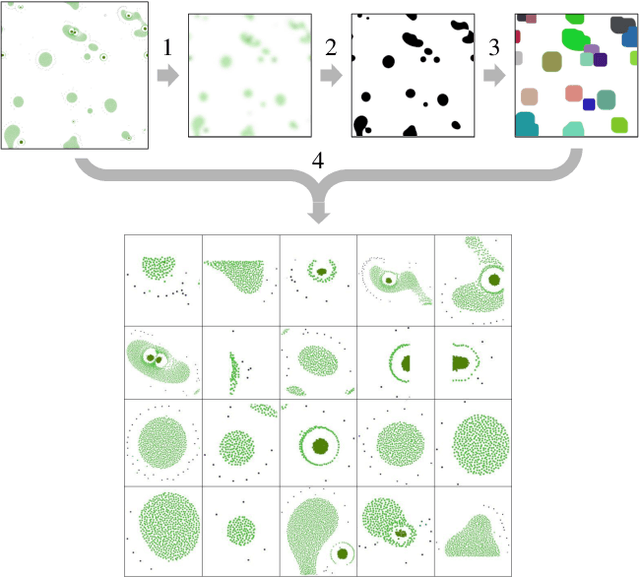
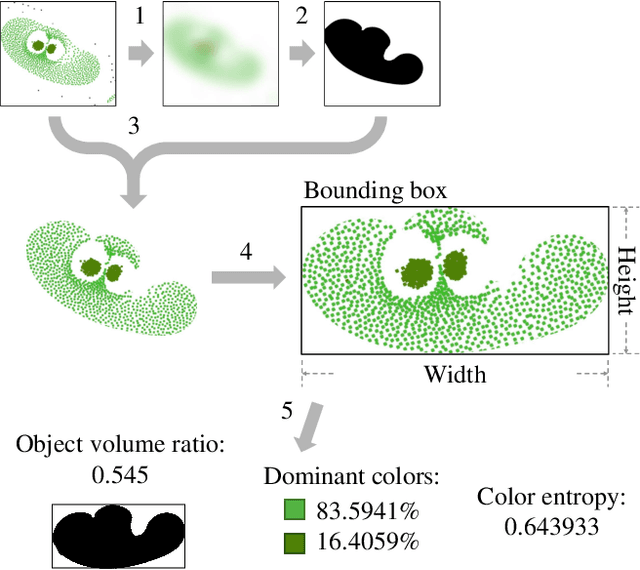
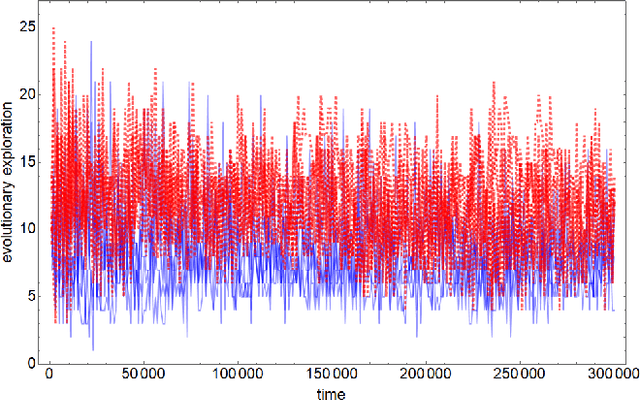
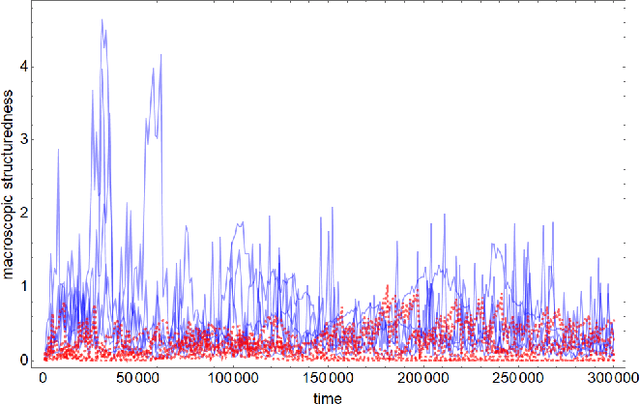
We studied the long-term dynamics of evolutionary Swarm Chemistry by extending the simulation length ten-fold compared to earlier work and by developing and using a new automated object harvesting method. Both macroscopic dynamics and microscopic object features were characterized and tracked using several measures. Results showed that the evolutionary dynamics tended to settle down into a stable state after the initial transient period, and that the extent of environmental perturbations also affected the evolutionary trends substantially. In the meantime, the automated harvesting method successfully produced a huge collection of spontaneously evolved objects, revealing the system's autonomous creativity at an unprecedented scale.
Self-Organization and Artificial Life: A Review
Apr 03, 2018Self-organization has been an important concept within a number of disciplines, which Artificial Life (ALife) also has heavily utilized since its inception. The term and its implications, however, are often confusing or misinterpreted. In this work, we provide a mini-review of self-organization and its relationship with ALife, aiming at initiating discussions on this important topic with the interested audience. We first articulate some fundamental aspects of self-organization, outline its usage, and review its applications to ALife within its soft, hard, and wet domains. We also provide perspectives for further research.
A Polynomial-Time Deterministic Approach to the Traveling Salesperson Problem
Dec 26, 2017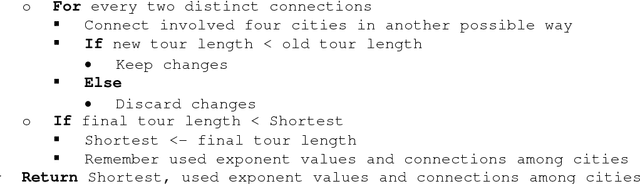
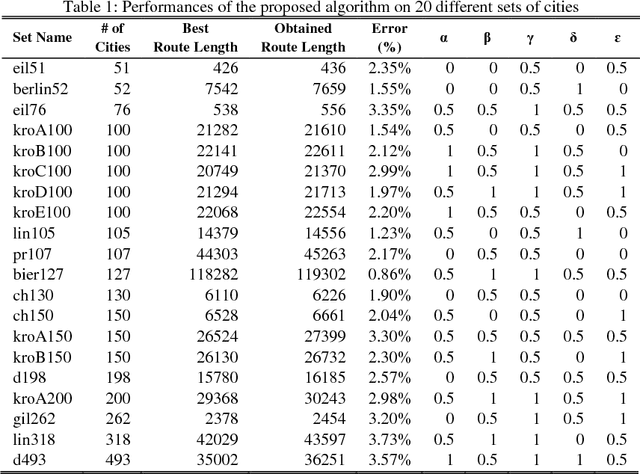
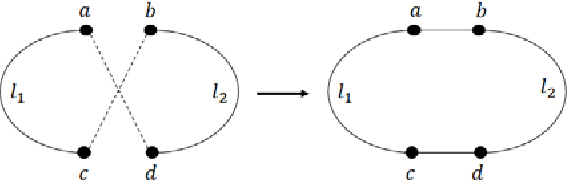
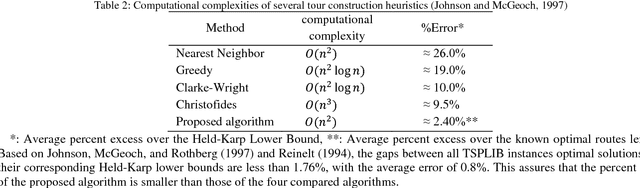
We propose a new polynomial-time deterministic algorithm that produces an approximated solution for the traveling salesperson problem. The proposed algorithm ranks cities based on their priorities calculated using a power function of means and standard deviations of their distances from other cities and then connects the cities to their neighbors in the order of their priorities. When connecting a city, a neighbor is selected based on their neighbors' priorities calculated as another power function that additionally includes their distance from the focal city to be connected. This repeats until all the cities are connected into a single loop. The time complexity of the proposed algorithm is $O(n^2)$, where $n$ is the number of cities. Numerical evaluation shows that, despite its simplicity, the proposed algorithm produces shorter tours with less time complexity than other conventional tour construction heuristics. The proposed algorithm can be used by itself or as an initial tour generator for other more complex heuristic optimization algorithms.
Robust Tracking and Behavioral Modeling of Movements of Biological Collectives from Ordinary Video Recordings
Sep 30, 2017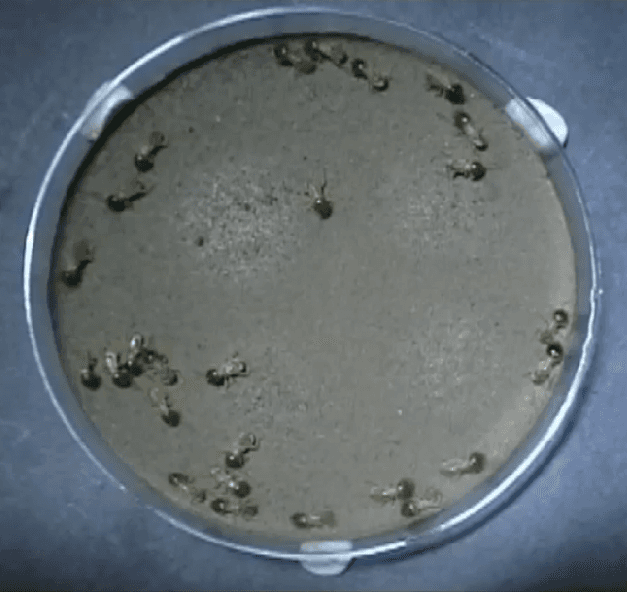
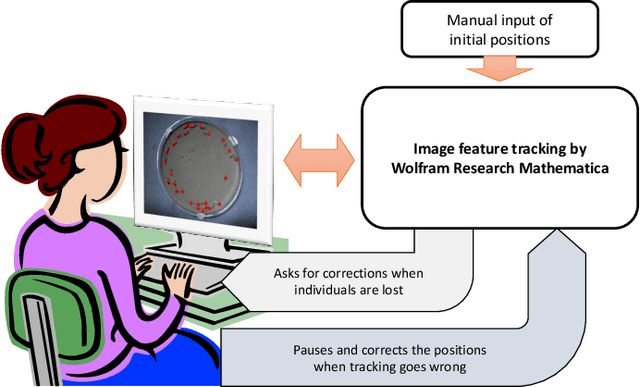
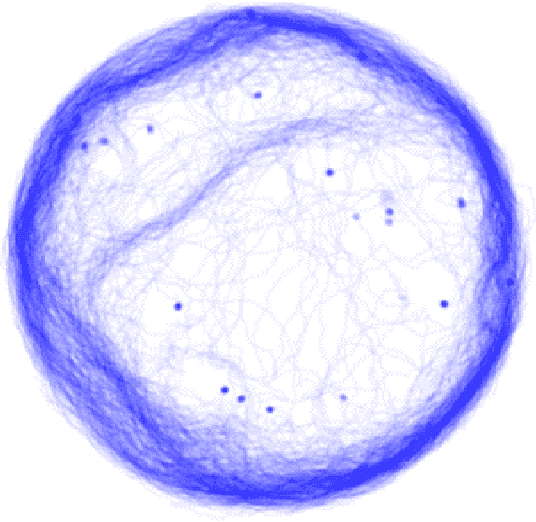
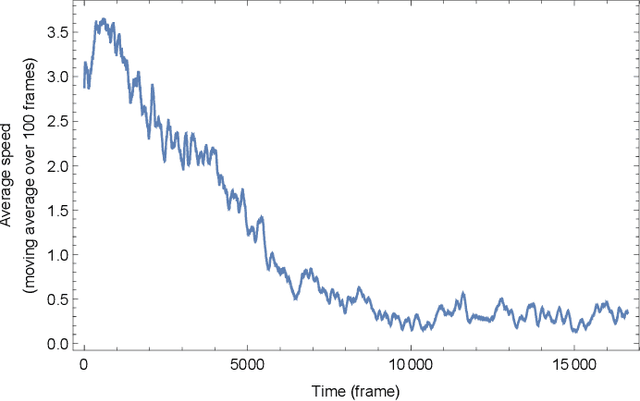
We propose a novel computational method to extract information about interactions among individuals with different behavioral states in a biological collective from ordinary video recordings. Assuming that individuals are acting as finite state machines, our method first detects discrete behavioral states of those individuals and then constructs a model of their state transitions, taking into account the positions and states of other individuals in the vicinity. We have tested the proposed method through applications to two real-world biological collectives: termites in an experimental setting and human pedestrians in a university campus. For each application, a robust tracking system was developed in-house, utilizing interactive human intervention (for termite tracking) or online agent-based simulation (for pedestrian tracking). In both cases, significant interactions were detected between nearby individuals with different states, demonstrating the effectiveness of the proposed method.
Complexity Measures and Concept Learning
Jan 23, 2015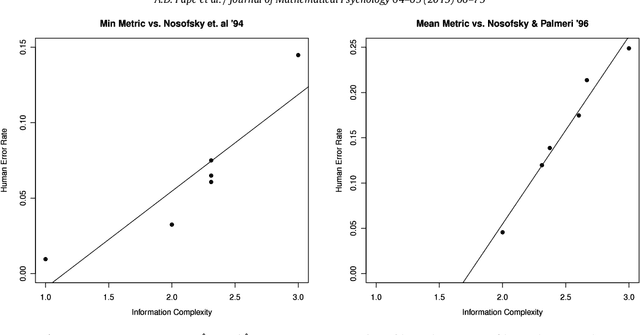
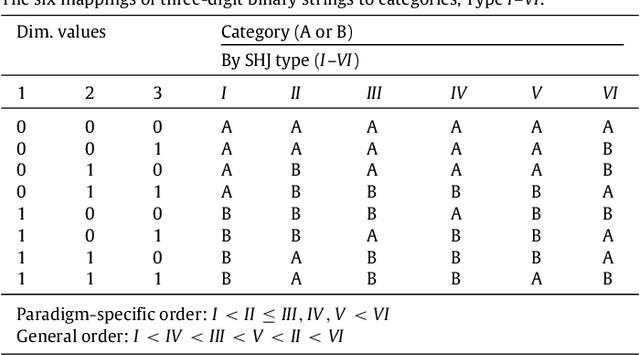
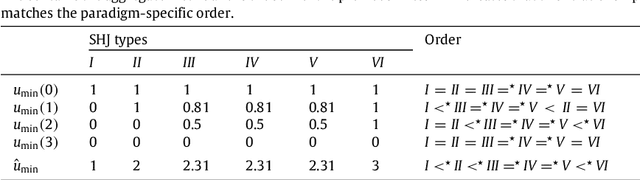
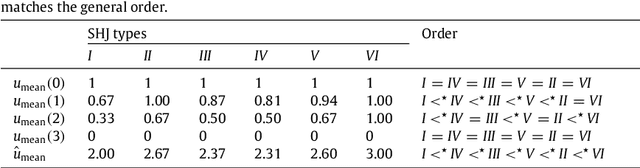
The nature of concept learning is a core question in cognitive science. Theories must account for the relative difficulty of acquiring different concepts by supervised learners. For a canonical set of six category types, two distinct orderings of classification difficulty have been found. One ordering, which we call paradigm-specific, occurs when adult human learners classify objects with easily distinguishable characteristics such as size, shape, and shading. The general order occurs in all other known cases: when adult humans classify objects with characteristics that are not readily distinguished (e.g., brightness, saturation, hue); for children and monkeys; and when categorization difficulty is extrapolated from errors in identification learning. The paradigm-specific order was found to be predictable mathematically by measuring the logical complexity of tasks, i.e., how concisely the solution can be represented by logical rules. However, logical complexity explains only the paradigm-specific order but not the general order. Here we propose a new difficulty measurement, information complexity, that calculates the amount of uncertainty remaining when a subset of the dimensions are specified. This measurement is based on Shannon entropy. We show that, when the metric extracts minimal uncertainties, this new measurement predicts the paradigm-specific order for the canonical six category types, and when the metric extracts average uncertainties, this new measurement predicts the general order. Moreover, for learning category types beyond the canonical six, we find that the minimal-uncertainty formulation correctly predicts the paradigm-specific order as well or better than existing metrics (Boolean complexity and GIST) in most cases.
* 27 pages, 7 tables, 1 figure. Accepted for publication in Journal of Mathematical Psychology, in press
Studying Collective Human Decision Making and Creativity with Evolutionary Computation
Jun 24, 2014We report a summary of our interdisciplinary research project "Evolutionary Perspective on Collective Decision Making" that was conducted through close collaboration between computational, organizational and social scientists at Binghamton University. We redefined collective human decision making and creativity as evolution of ecologies of ideas, where populations of ideas evolve via continual applications of evolutionary operators such as reproduction, recombination, mutation, selection, and migration of ideas, each conducted by participating humans. Based on this evolutionary perspective, we generated hypotheses about collective human decision making using agent-based computer simulations. The hypotheses were then tested through several experiments with real human subjects. Throughout this project, we utilized evolutionary computation (EC) in non-traditional ways---(1) as a theoretical framework for reinterpreting the dynamics of idea generation and selection, (2) as a computational simulation model of collective human decision making processes, and (3) as a research tool for collecting high-resolution experimental data of actual collaborative design and decision making from human subjects. We believe our work demonstrates untapped potential of EC for interdisciplinary research involving human and social dynamics.
* 20 pages, 7 figures, 1 table (Supplemental materials not included)
Four Classes of Morphogenetic Collective Systems
May 24, 2014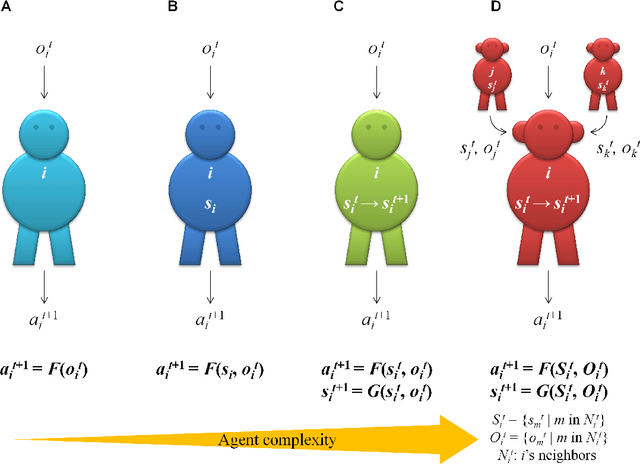
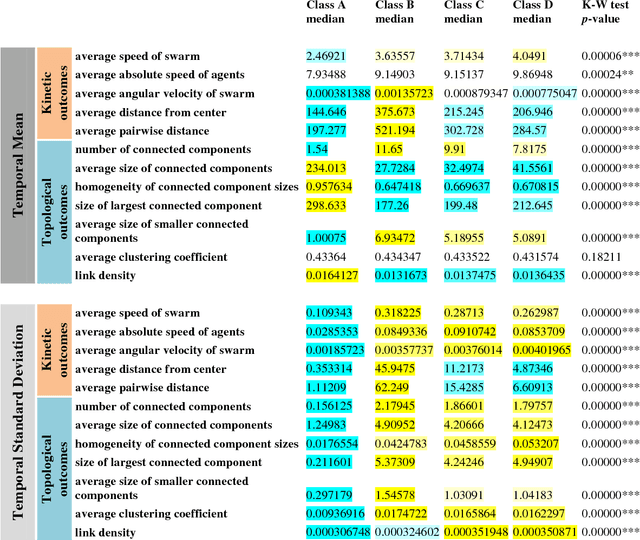
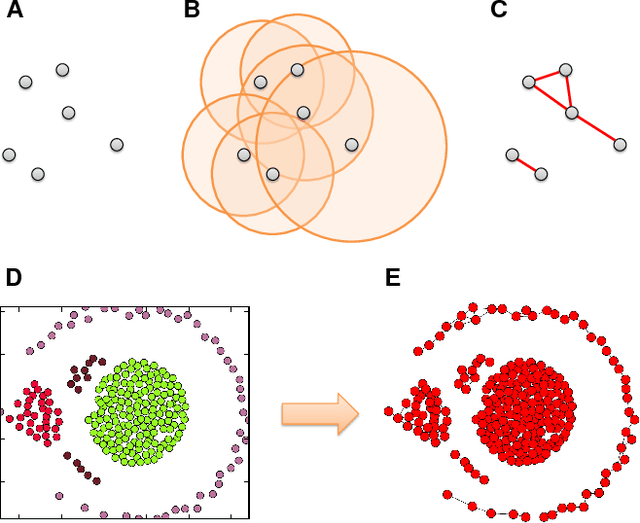
We studied the roles of morphogenetic principles---heterogeneity of components, dynamic differentiation/re-differentiation of components, and local information sharing among components---in the self-organization of morphogenetic collective systems. By incrementally introducing these principles to collectives, we defined four distinct classes of morphogenetic collective systems. Monte Carlo simulations were conducted using an extended version of the Swarm Chemistry model that was equipped with dynamic differentiation/re-differentiation and local information sharing capabilities. Self-organization of swarms was characterized by several kinetic and topological measurements, the latter of which were facilitated by a newly developed network-based method. Results of simulations revealed that, while heterogeneity of components had a strong impact on the structure and behavior of the swarms, dynamic differentiation/re-differentiation of components and local information sharing helped the swarms maintain spatially adjacent, coherent organization.
* 8 pages, 2 figures, 1 table; accepted for publication in ALIFE 14 proceedings