 Add to Chrome
 Add to Firefox
 Add to Edge
Building a Decision Support System for Automated Mobile Asthma Monitoring in Remote Areas
Dec 11, 2021
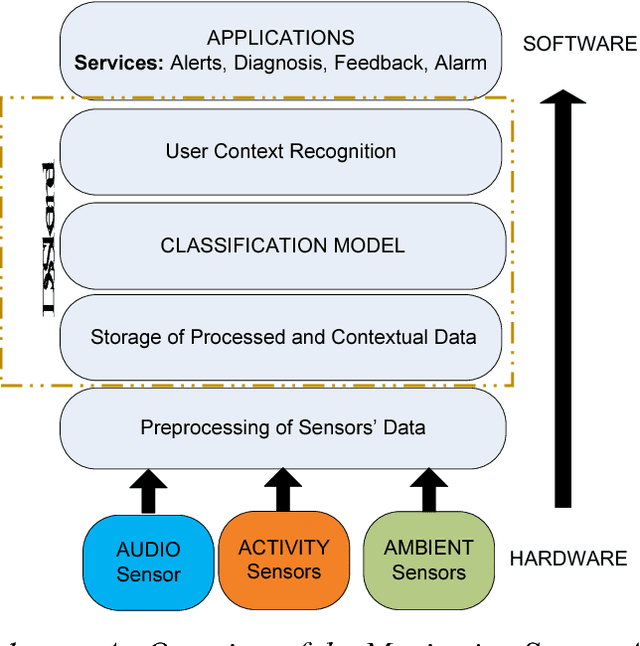
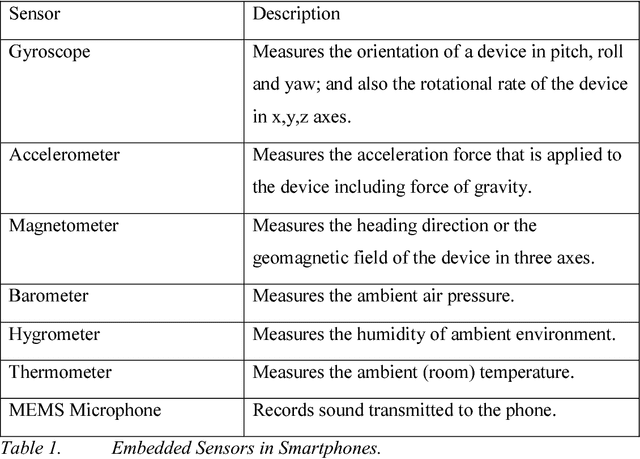
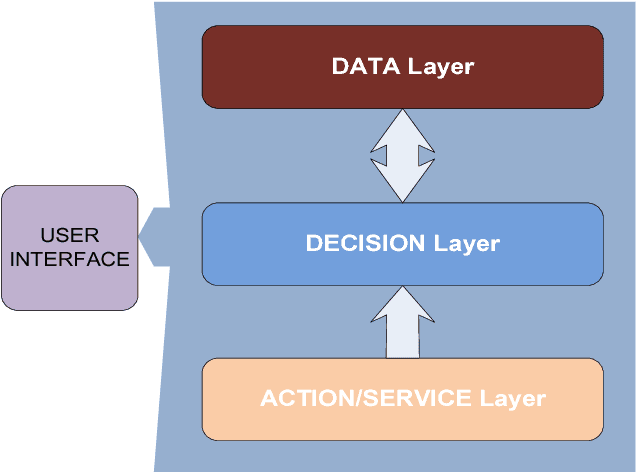
Advances in mobile computing have paved the way for the development of several health applications using smartphone as a platform for data acquisition, analysis and presentation. Such areas where mhealth systems have been extensively deployed include monitoring of long term health conditions like Cardio Vascular Diseases and pulmonary disorders, as well as detection of changes from baseline measurements of such conditions. Asthma is one of the respiratory conditions with growing concern across the globe due to the economic, social and emotional burden associated with the ailment. The management and control of asthma can be improved by consistent monitoring of the condition in realtime since attack could occur anytime and anywhere. This paper proposes the use of smartphone equipped with embedded sensors, to capture and analyze early symptoms of asthma triggered by exercise. The system design is based on Decision Support System techniques for measuring and analyzing the level and type of patients physical activity as well as weather conditions that predispose asthma attack. Preliminary results show that smartphones can be used to monitor and detect asthma symptoms without other networked devices. This would enhance the usability of the health system while ensuring users data privacy, and reducing the overall cost of system deployment. Further, the proposed system can serve as a handy tool for a quick medical response for asthmatics in low income countries where there are limited access to specialized medical devices and shortages of health professionals. Development of such monitoring systems signals a positive response to lessen the global burden of asthma.

A Machine Learning Approach for Delineating Similar Sound Symptoms of Respiratory Conditions on a Smartphone
Oct 15, 2021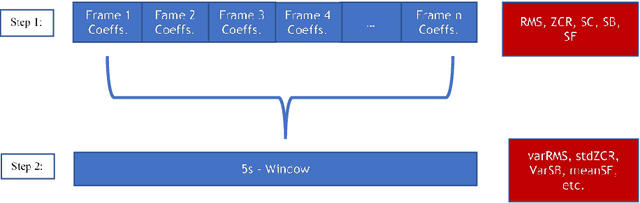
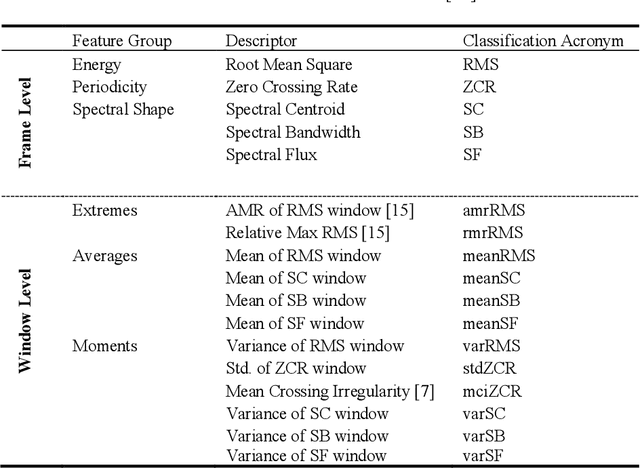
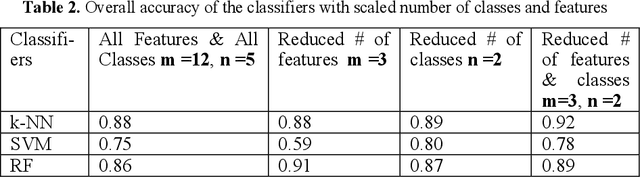
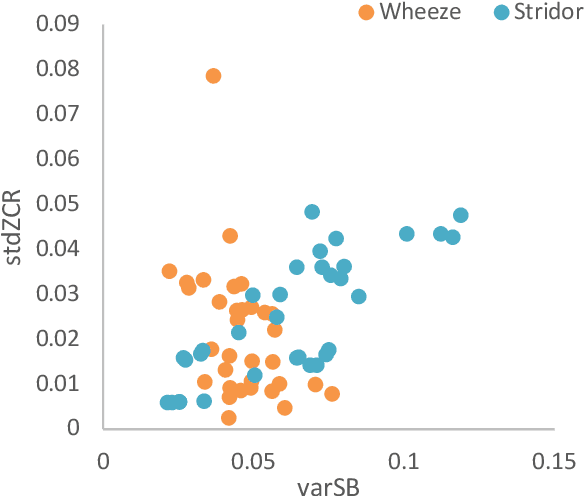
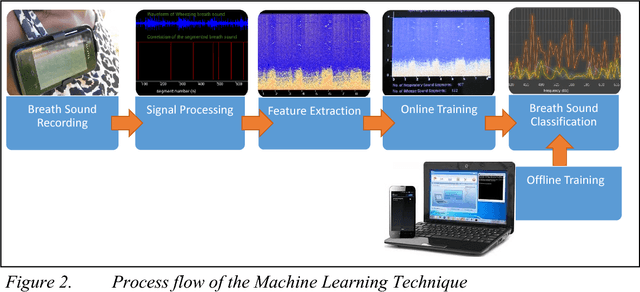
Clinical characterization and interpretation of respiratory sound symptoms have remained a challenge due to the similarities in the audio properties that manifest during auscultation in medical diagnosis. The misinterpretation and conflation of these sounds coupled with the comorbidity cases of the associated ailments particularly, exercised-induced respiratory conditions; result in the under-diagnosis and under-treatment of the conditions. Though several studies have proposed computerized systems for objective classification and evaluation of these sounds, most of the algorithms run on desktop and backend systems. In this study, we leverage the improved computational and storage capabilities of modern smartphones to distinguish the respiratory sound symptoms using machine learning algorithms namely: Random Forest (RF), Support Vector Machine (SVM), and k-Nearest Neighbour (k-NN). The appreciable performance of these classifiers on a mobile phone shows smartphone as an alternate tool for recognition and discrimination of respiratory symptoms in real-time scenarios. Further, the objective clinical data provided by the machine learning process could aid physicians in the screening and treatment of a patient during ambulatory care where specialized medical devices may not be readily available.