 Add to Chrome
 Add to Firefox
 Add to Edge
'Layer su Layer': Identifying and Disambiguating the Italian NPN Construction in BERT's family
Apr 04, 2026
Interpretability research has highlighted the importance of evaluating Pretrained Language Models (PLMs) and in particular contextual embeddings against explicit linguistic theories to determine what linguistic information they encode. This study focuses on the Italian NPN (noun-preposition-noun) constructional family, challenging some of the theoretical and methodological assumptions underlying previous experimental designs and extending this type of research to a lesser-investigated language. Contextual vector representations are extracted from BERT and used as input to layer-wise probing classifiers, systematically evaluating information encoded across the model's internal layers. The results shed light on the extent to which constructional form and meaning are reflected in contextual embeddings, contributing empirical evidence to the dialogue between constructionist theory and neural language modelling

Constraining constructions with WordNet: pros and cons for the semantic annotation of fillers in the Italian Constructicon
Jan 10, 2025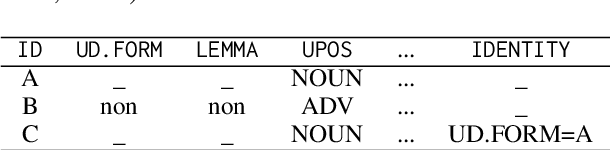
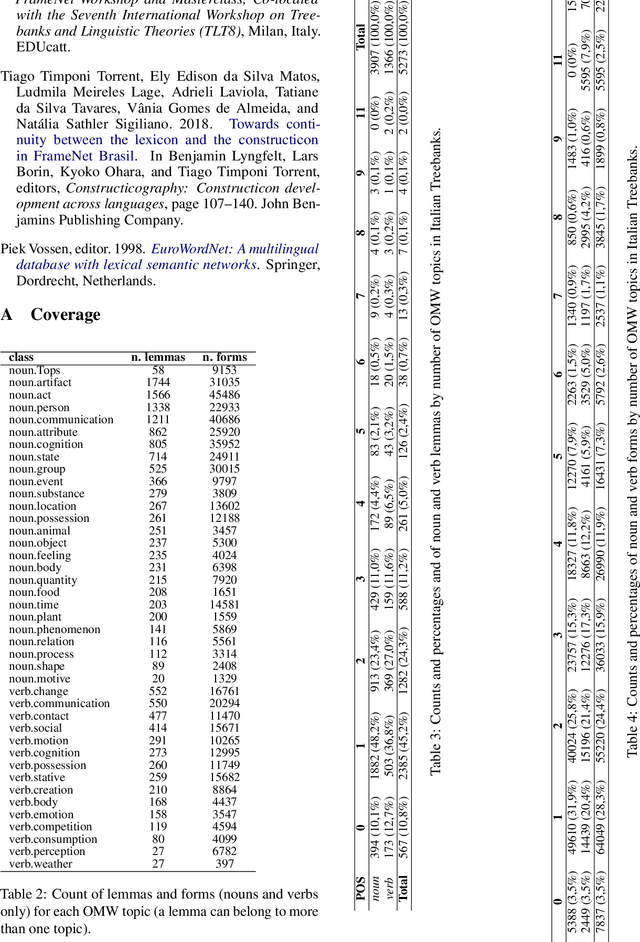
The paper discusses the role of WordNet-based semantic classification in the formalization of constructions, and more specifically in the semantic annotation of schematic fillers, in the Italian Constructicon. We outline how the Italian Constructicon project uses Open Multilingual WordNet topics to represent semantic features and constraints of constructions.
Annotating Constructions with UD: the experience of the Italian Constructicon
Nov 12, 2024The paper descirbes a first attempt of linking the Italian constructicon to UD resources
Did somebody say "Gest-IT"? A pilot exploration of multimodal data management
Oct 21, 2024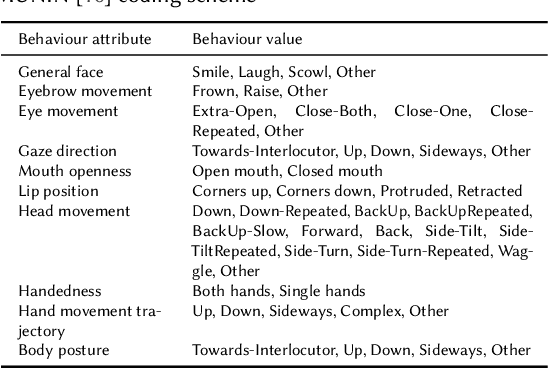
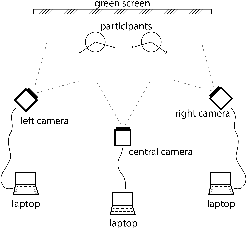
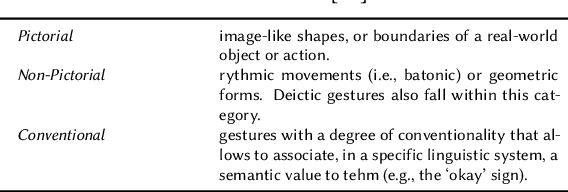
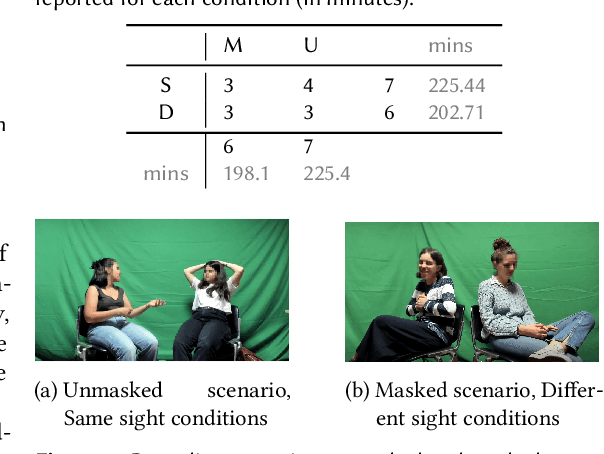
The paper presents a pilot exploration of the construction, management and analysis of a multimodal corpus. Through a three-layer annotation that provides orthographic, prosodic, and gestural transcriptions, the Gest-IT resource allows to investigate the variation of gesture-making patterns in conversations between sighted people and people with visual impairment. After discussing the transcription methods and technical procedures employed in our study, we propose a unified CoNLL-U corpus and indicate our future steps