 Add to Chrome
 Add to Firefox
 Add to Edge
Evaluation of Machine Learning-based Anomaly Detection Algorithms on an Industrial Modbus/TCP Data Set
May 28, 2019
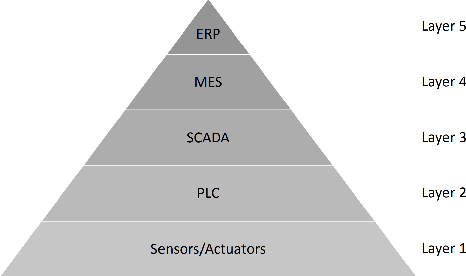

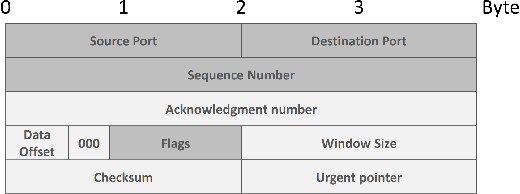

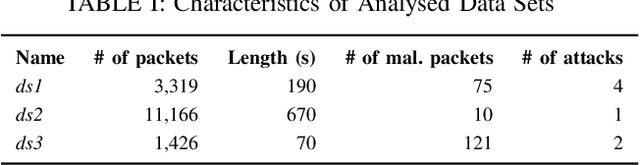
In the context of the Industrial Internet of Things, communication technology, originally used in home and office environments, is introduced into industrial applications. Commercial off-the-shelf products, as well as unified and well-established communication protocols make this technology easy to integrate and use. Furthermore, productivity is increased in comparison to classic industrial control by making systems easier to manage, set up and configure. Unfortunately, most attack surfaces of home and office environments are introduced into industrial applications as well, which usually have very few security mechanisms in place. Over the last years, several technologies tackling that issue have been researched. In this work, machine learning-based anomaly detection algorithms are employed to find malicious traffic in a synthetically generated data set of Modbus/TCP communication of a fictitious industrial scenario. The applied algorithms are Support Vector Machine (SVM), Random Forest, k-nearest neighbour and k-means clustering. Due to the synthetic data set, supervised learning is possible. Support Vector Machine and k-nearest neighbour perform well with different data sets, while k-nearest neighbour and k-means clustering do not perform satisfactorily.

Time is of the Essence: Machine Learning-based Intrusion Detection in Industrial Time Series Data
Sep 20, 2018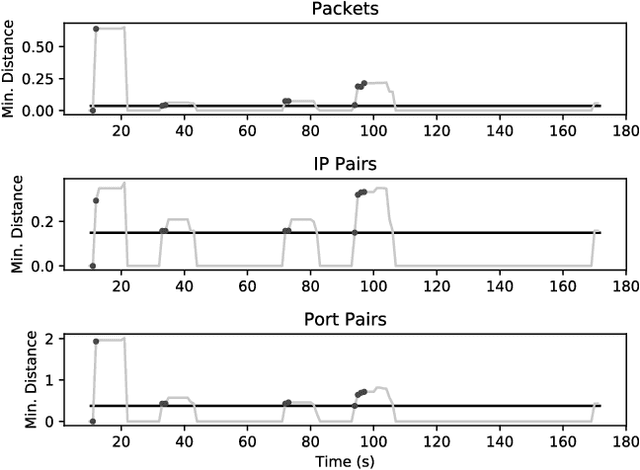
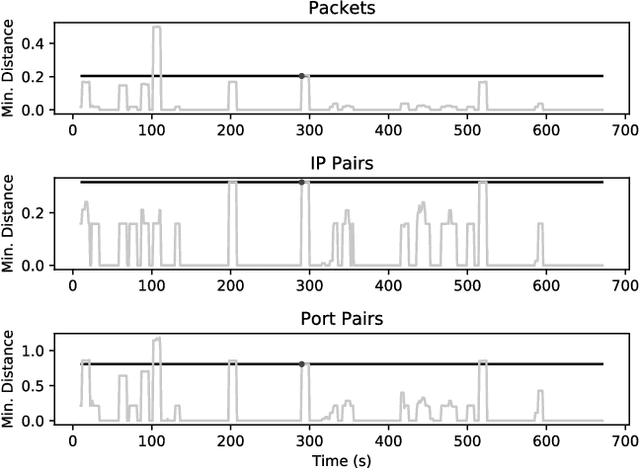
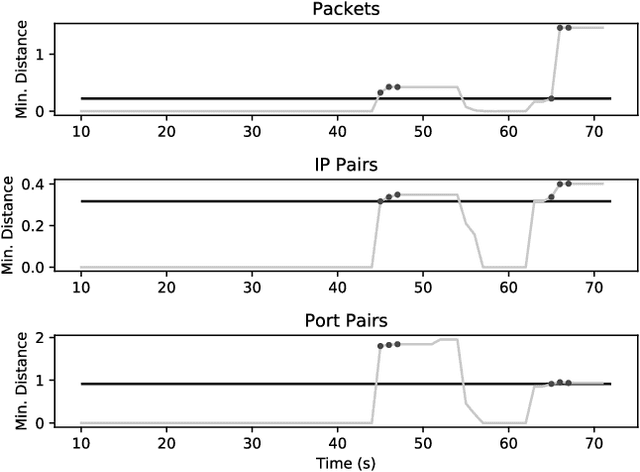
The Industrial Internet of Things drastically increases connectivity of devices in industrial applications. In addition to the benefits in efficiency, scalability and ease of use, this creates novel attack surfaces. Historically, industrial networks and protocols do not contain means of security, such as authentication and encryption, that are made necessary by this development. Thus, industrial IT-security is needed. In this work, emulated industrial network data is transformed into a time series and analysed with three different algorithms. The data contains labeled attacks, so the performance can be evaluated. Matrix Profiles perform well with almost no parameterisation needed. Seasonal Autoregressive Integrated Moving Average performs well in the presence of noise, requiring parameterisation effort. Long Short Term Memory-based neural networks perform mediocre while requiring a high training- and parameterisation effort.