 Add to Chrome
 Add to Firefox
 Add to Edge
Anticipating Adversary Behavior in DevSecOps Scenarios through Large Language Models
Feb 15, 2026
The most valuable asset of any cloud-based organization is data, which is increasingly exposed to sophisticated cyberattacks. Until recently, the implementation of security measures in DevOps environments was often considered optional by many government entities and critical national services operating in the cloud. This includes systems managing sensitive information, such as electoral processes or military operations, which have historically been valuable targets for cybercriminals. Resistance to security implementation is often driven by concerns over losing agility in software development, increasing the risk of accumulated vulnerabilities. Nowadays, patching software is no longer enough; adopting a proactive cyber defense strategy, supported by Artificial Intelligence (AI), is crucial to anticipating and mitigating threats. Thus, this work proposes integrating the Security Chaos Engineering (SCE) methodology with a new LLM-based flow to automate the creation of attack defense trees that represent adversary behavior and facilitate the construction of SCE experiments based on these graphical models, enabling teams to stay one step ahead of attackers and implement previously unconsidered defenses. Further detailed information about the experiment performed, along with the steps to replicate it, can be found in the following repository: https://github.com/mariomc14/devsecops-adversary-llm.git.

Simulating Cyberattacks through a Breach Attack Simulation (BAS) Platform empowered by Security Chaos Engineering (SCE)
Aug 05, 2025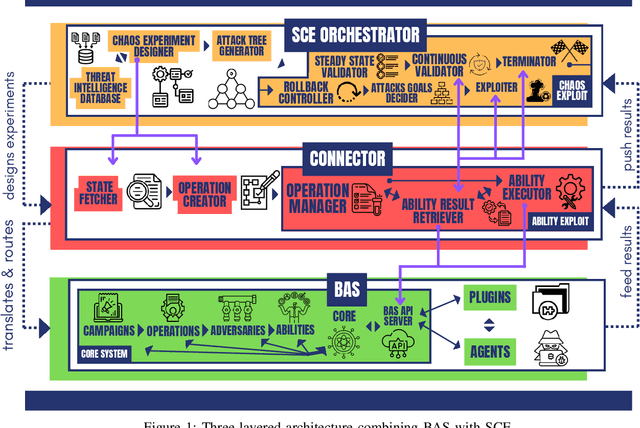
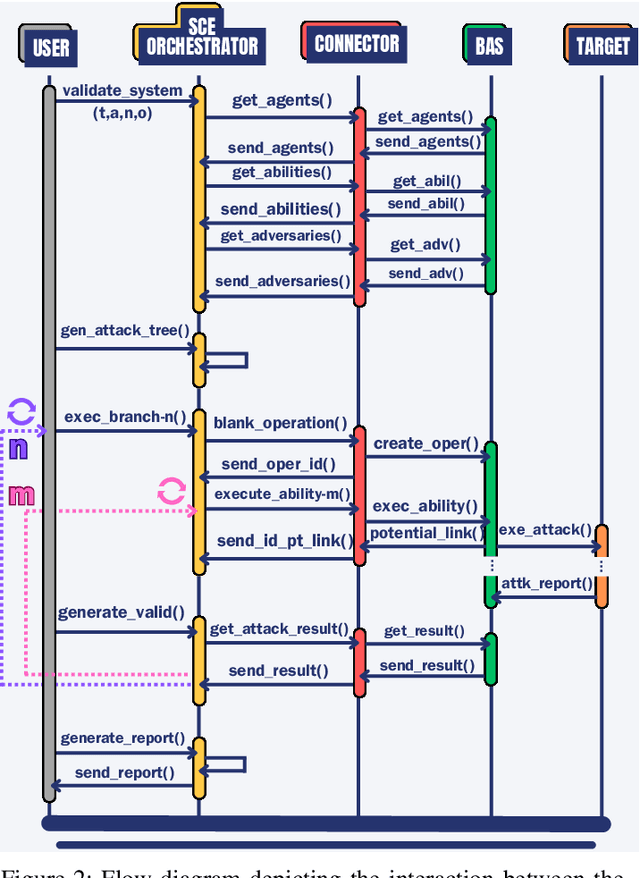
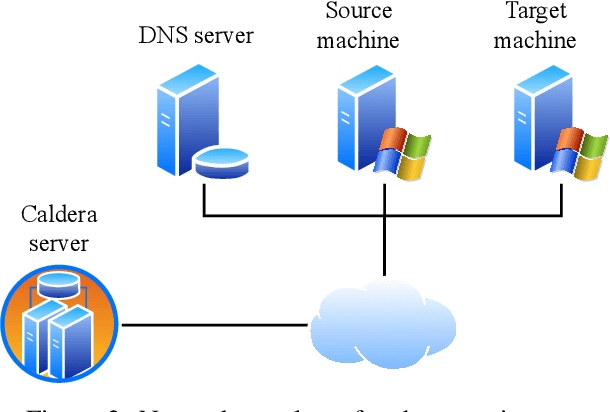
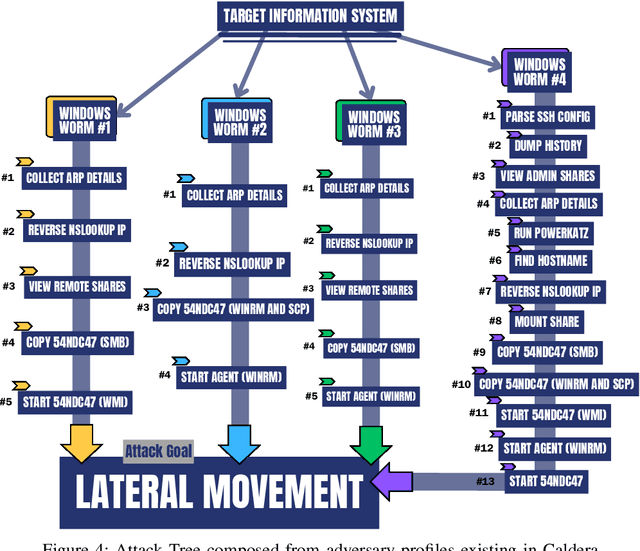
In today digital landscape, organizations face constantly evolving cyber threats, making it essential to discover slippery attack vectors through novel techniques like Security Chaos Engineering (SCE), which allows teams to test defenses and identify vulnerabilities effectively. This paper proposes to integrate SCE into Breach Attack Simulation (BAS) platforms, leveraging adversary profiles and abilities from existing threat intelligence databases. This innovative proposal for cyberattack simulation employs a structured architecture composed of three layers: SCE Orchestrator, Connector, and BAS layers. Utilizing MITRE Caldera in the BAS layer, our proposal executes automated attack sequences, creating inferred attack trees from adversary profiles. Our proposal evaluation illustrates how integrating SCE with BAS can enhance the effectiveness of attack simulations beyond traditional scenarios, and be a useful component of a cyber defense strategy.