 Add to Chrome
 Add to Firefox
 Add to Edge
Letter counting: a stem cell for Cryptology, Quantitative Linguistics, and Statistics
Nov 29, 2012
Counting letters in written texts is a very ancient practice. It has accompanied the development of Cryptology, Quantitative Linguistics, and Statistics. In Cryptology, counting frequencies of the different characters in an encrypted message is the basis of the so called frequency analysis method. In Quantitative Linguistics, the proportion of vowels to consonants in different languages was studied long before authorship attribution. In Statistics, the alternation vowel-consonants was the only example that Markov ever gave of his theory of chained events. A short history of letter counting is presented. The three domains, Cryptology, Quantitative Linguistics, and Statistics, are then examined, focusing on the interactions with the other two fields through letter counting. As a conclusion, the eclectism of past centuries scholars, their background in humanities, and their familiarity with cryptograms, are identified as contributing factors to the mutual enrichment process which is described here.

Alberti's letter counts
Oct 26, 2012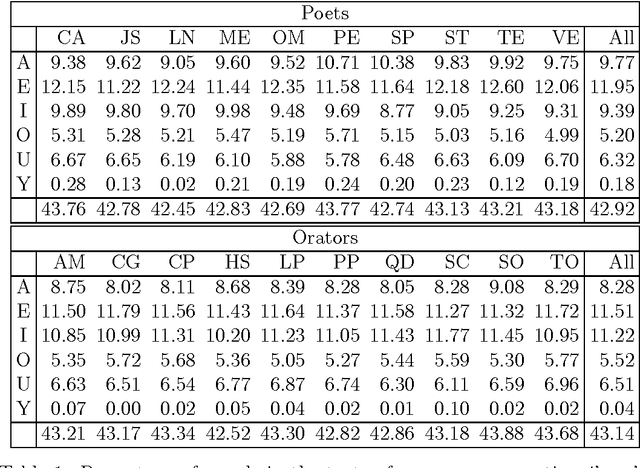
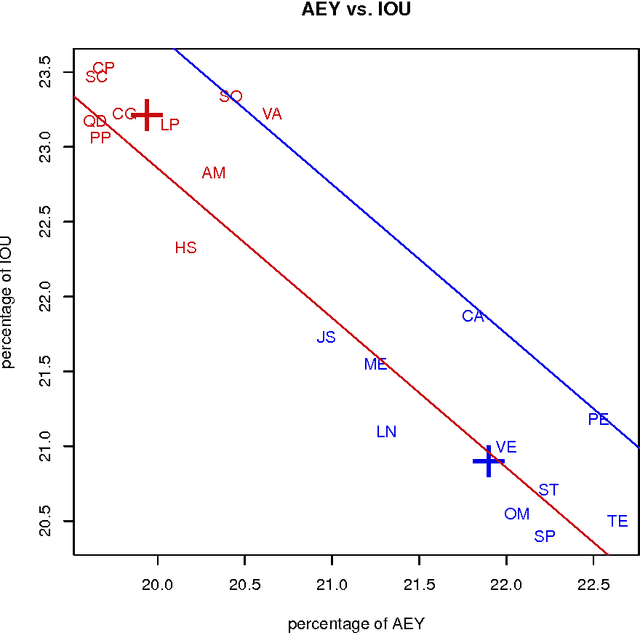
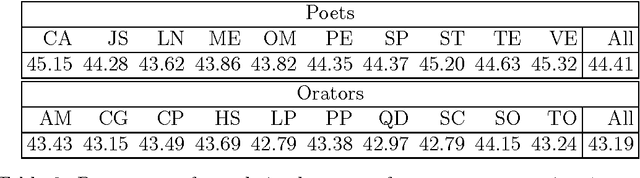
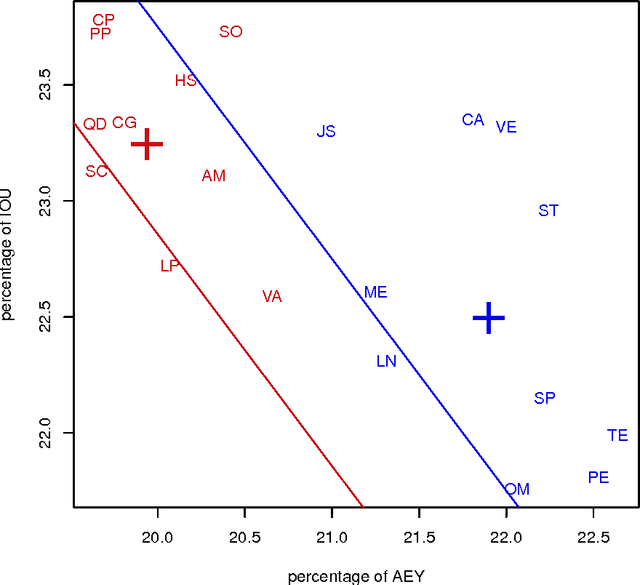
Four centuries before modern statistical linguistics was born, Leon Battista Alberti (1404--1472) compared the frequency of vowels in Latin poems and orations, making the first quantified observation of a stylistic difference ever. Using a corpus of 20 Latin texts (over 5 million letters), Alberti's observations are statistically assessed. Letter counts prove that poets used significantly more a's, e's, and y's, whereas orators used more of the other vowels. The sample sizes needed to justify the assertions are studied, and proved to be within reach for Alberti's scholarship.