 Add to Chrome
 Add to Firefox
 Add to Edge
Quantification of sand fraction from seismic attributes using Neuro-Fuzzy approach
Sep 23, 2015
In this paper, we illustrate the modeling of a reservoir property (sand fraction) from seismic attributes namely seismic impedance, seismic amplitude, and instantaneous frequency using Neuro-Fuzzy (NF) approach. Input dataset includes 3D post-stacked seismic attributes and six well logs acquired from a hydrocarbon field located in the western coast of India. Presence of thin sand and shale layers in the basin area makes the modeling of reservoir characteristic a challenging task. Though seismic data is helpful in extrapolation of reservoir properties away from boreholes; yet, it could be challenging to delineate thin sand and shale reservoirs using seismic data due to its limited resolvability. Therefore, it is important to develop state-of-art intelligent methods for calibrating a nonlinear mapping between seismic data and target reservoir variables. Neural networks have shown its potential to model such nonlinear mappings; however, uncertainties associated with the model and datasets are still a concern. Hence, introduction of Fuzzy Logic (FL) is beneficial for handling these uncertainties. More specifically, hybrid variants of Artificial Neural Network (ANN) and fuzzy logic, i.e., NF methods, are capable for the modeling reservoir characteristics by integrating the explicit knowledge representation power of FL with the learning ability of neural networks. The documented results in this study demonstrate acceptable resemblance between target and predicted variables, and hence, encourage the application of integrated machine learning approaches such as Neuro-Fuzzy in reservoir characterization domain. Furthermore, visualization of the variation of sand probability in the study area would assist in identifying placement of potential wells for future drilling operations.

A Novel Pre-processing Scheme to Improve the Prediction of Sand Fraction from Seismic Attributes using Neural Networks
Sep 23, 2015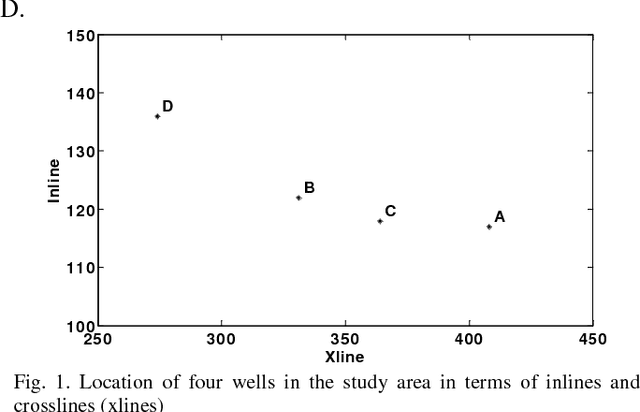
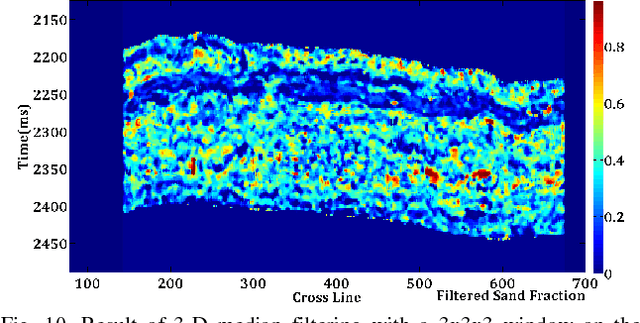
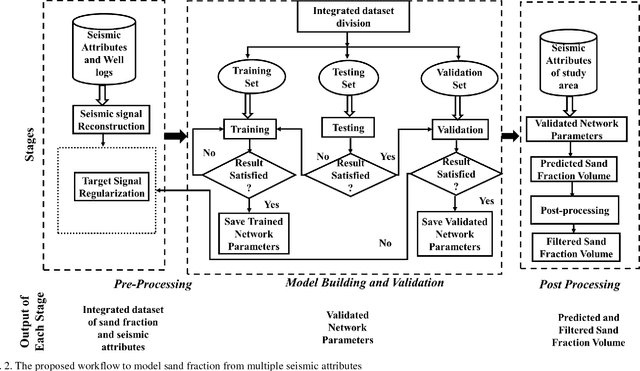
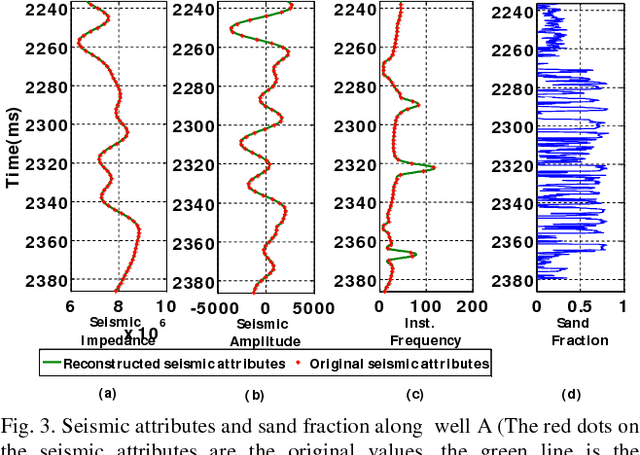
This paper presents a novel pre-processing scheme to improve the prediction of sand fraction from multiple seismic attributes such as seismic impedance, amplitude and frequency using machine learning and information filtering. The available well logs along with the 3-D seismic data have been used to benchmark the proposed pre-processing stage using a methodology which primarily consists of three steps: pre-processing, training and post-processing. An Artificial Neural Network (ANN) with conjugate-gradient learning algorithm has been used to model the sand fraction. The available sand fraction data from the high resolution well logs has far more information content than the low resolution seismic attributes. Therefore, regularization schemes based on Fourier Transform (FT), Wavelet Decomposition (WD) and Empirical Mode Decomposition (EMD) have been proposed to shape the high resolution sand fraction data for effective machine learning. The input data sets have been segregated into training, testing and validation sets. The test results are primarily used to check different network structures and activation function performances. Once the network passes the testing phase with an acceptable performance in terms of the selected evaluators, the validation phase follows. In the validation stage, the prediction model is tested against unseen data. The network yielding satisfactory performance in the validation stage is used to predict lithological properties from seismic attributes throughout a given volume. Finally, a post-processing scheme using 3-D spatial filtering is implemented for smoothing the sand fraction in the volume. Prediction of lithological properties using this framework is helpful for Reservoir Characterization.
Fast Computation of PERCLOS and Saccadic Ratio
May 29, 2015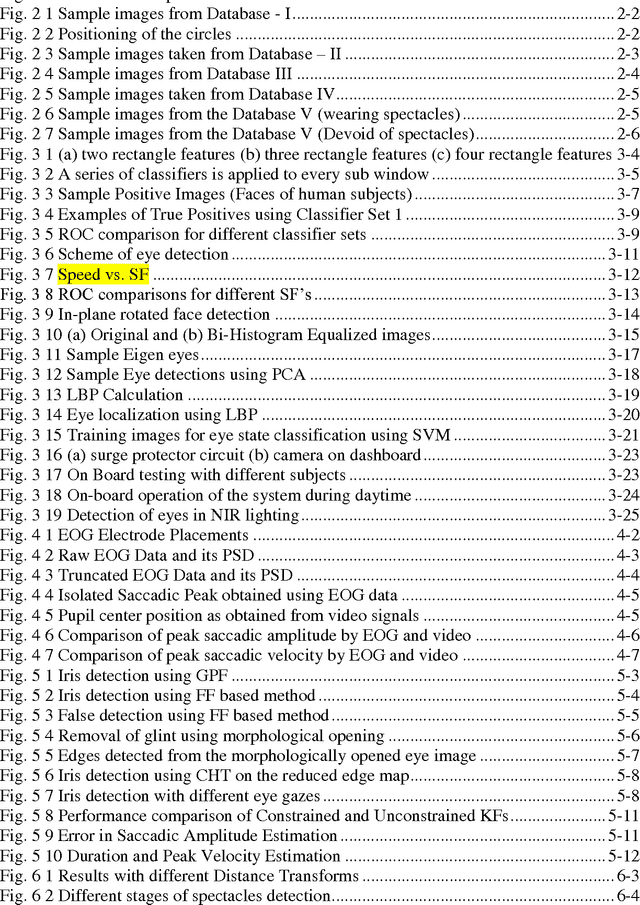
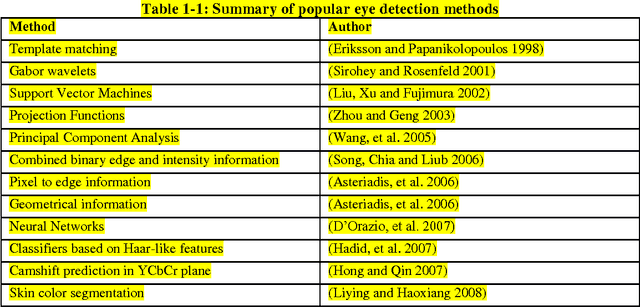

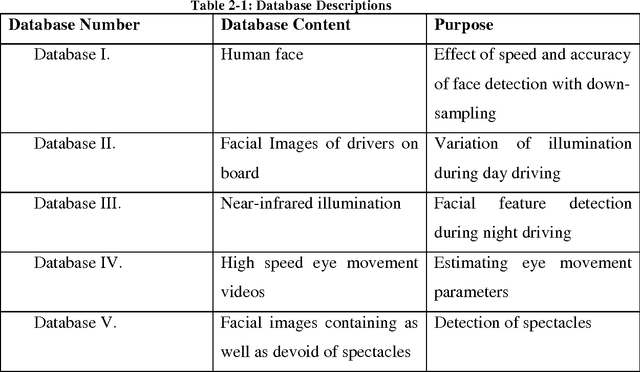
This thesis describes the development of fast algorithms for the computation of PERcentage CLOSure of eyes (PERCLOS) and Saccadic Ratio (SR). PERCLOS and SR are two ocular parameters reported to be measures of alertness levels in human beings. PERCLOS is the percentage of time in which at least 80% of the eyelid remains closed over the pupil. Saccades are fast and simultaneous movement of both the eyes in the same direction. SR is the ratio of peak saccadic velocity to the saccadic duration. This thesis addresses the issues of image based estimation of PERCLOS and SR, prevailing in the literature such as illumination variation, poor illumination conditions, head rotations etc. In this work, algorithms for real-time PERCLOS computation has been developed and implemented on an embedded platform. The platform has been used as a case study for assessment of loss of attention in automotive drivers. The SR estimation has been carried out offline as real-time implementation requires high frame rates of processing which is difficult to achieve due to hardware limitations. The accuracy in estimation of the loss of attention using PERCLOS and SR has been validated using brain signals, which are reported to be an authentic cue for estimating the state of alertness in human beings. The major contributions of this thesis include database creation, design and implementation of fast algorithms for estimating PERCLOS and SR on embedded computing platforms.
Design and Implementation of Real-time Algorithms for Eye Tracking and PERCLOS Measurement for on board Estimation of Alertness of Drivers
May 22, 2015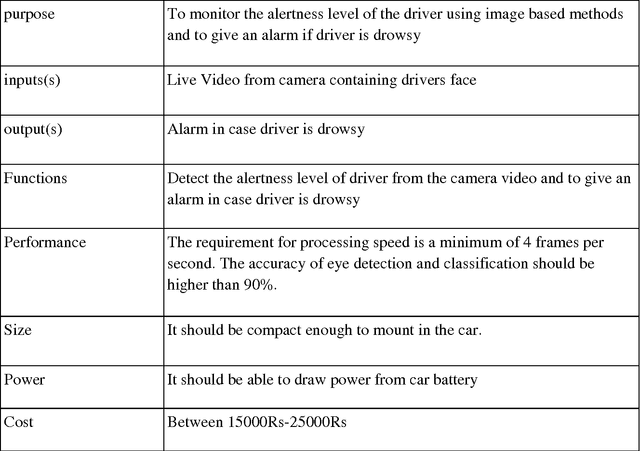
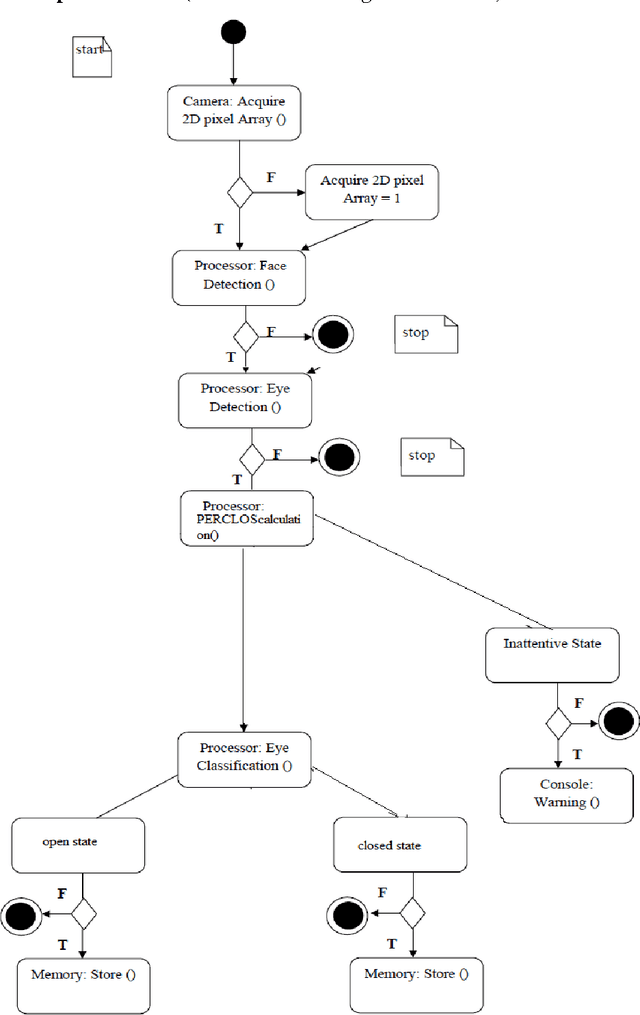
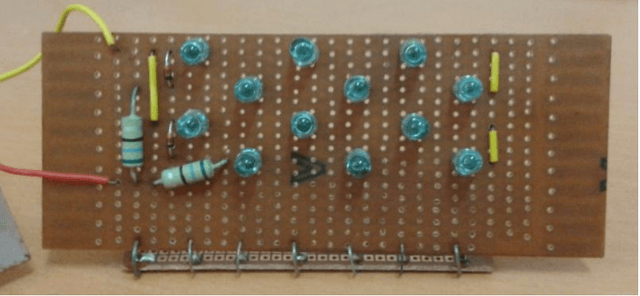
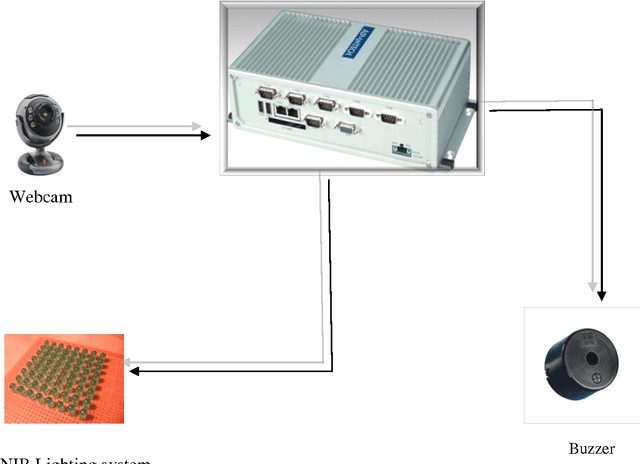
The alertness level of drivers can be estimated with the use of computer vision based methods. The level of fatigue can be found from the value of PERCLOS. It is the ratio of closed eye frames to the total frames processed. The main objective of the thesis is the design and implementation of real-time algorithms for measurement of PERCLOS. In this work we have developed a real-time system which is able to process the video onboard and to alarm the driver in case the driver is in alert. For accurate estimation of PERCLOS the frame rate should be greater than 4 and accuracy should be greater than 90%. For eye detection we have used mainly two approaches Haar classifier based method and Principal Component Analysis (PCA) based method for day time. During night time active Near Infra Red (NIR) illumination is used. Local Binary Pattern (LBP) histogram based method is used for the detection of eyes at night time. The accuracy rate of the algorithms was found to be more than 90% at frame rates more than 5 fps which was suitable for the application.
A Real Time Facial Expression Classification System Using Local Binary Patterns
May 15, 2015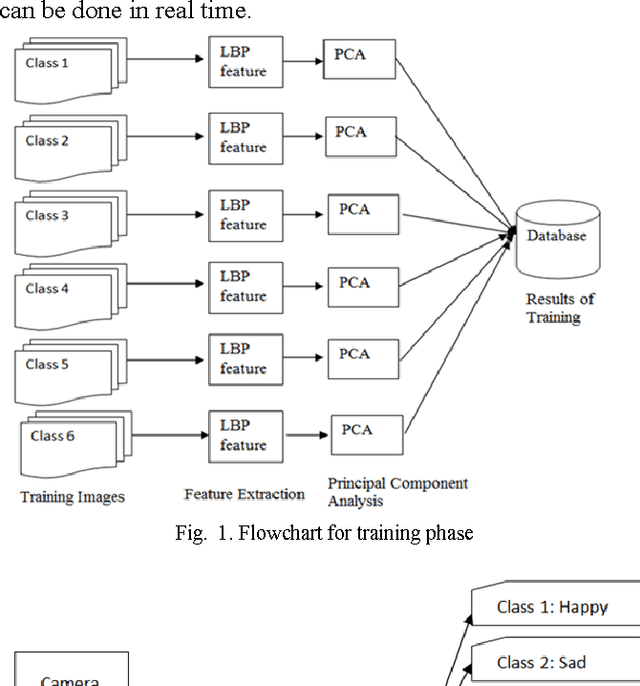
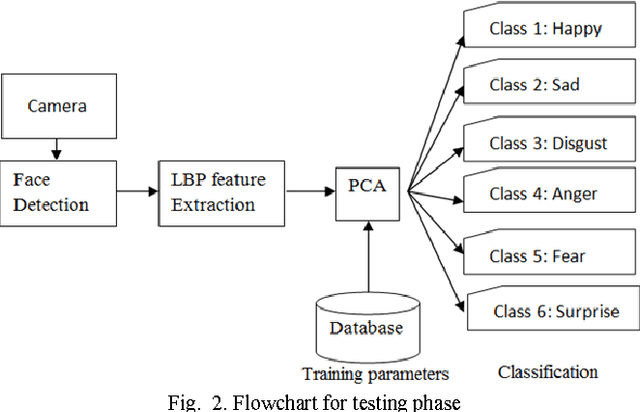
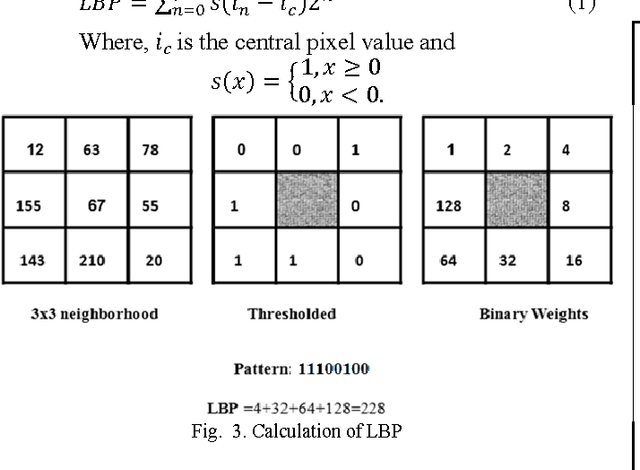
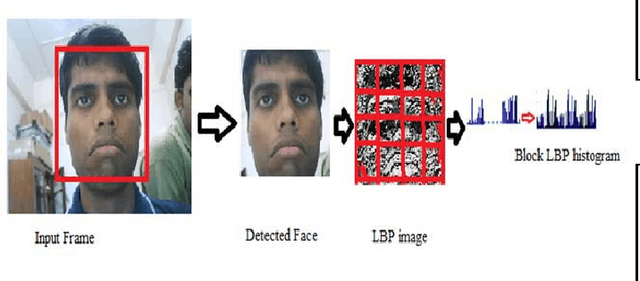
Facial expression analysis is one of the popular fields of research in human computer interaction (HCI). It has several applications in next generation user interfaces, human emotion analysis, behavior and cognitive modeling. In this paper, a facial expression classification algorithm is proposed which uses Haar classifier for face detection purpose, Local Binary Patterns (LBP) histogram of different block sizes of a face image as feature vectors and classifies various facial expressions using Principal Component Analysis (PCA). The algorithm is implemented in real time for expression classification since the computational complexity of the algorithm is small. A customizable approach is proposed for facial expression analysis, since the various expressions and intensity of expressions vary from person to person. The system uses grayscale frontal face images of a person to classify six basic emotions namely happiness, sadness, disgust, fear, surprise and anger.
A Video Database of Human Faces under Near Infra-Red Illumination for Human Computer Interaction Aplications
May 15, 2015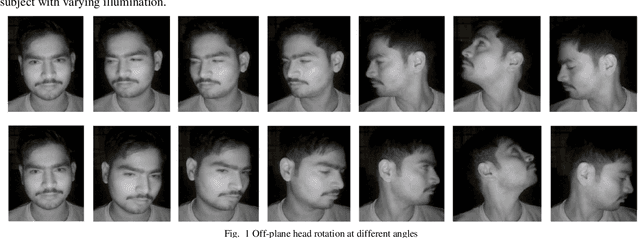
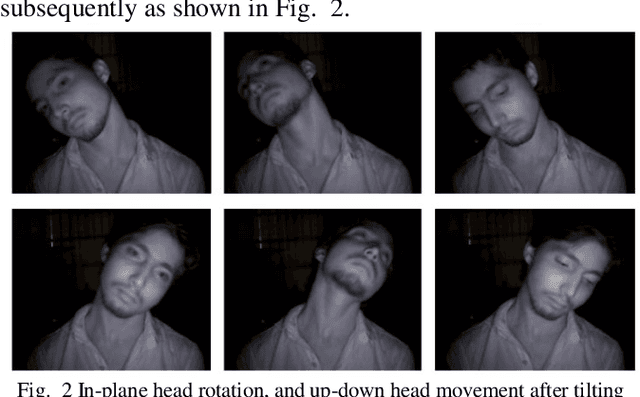
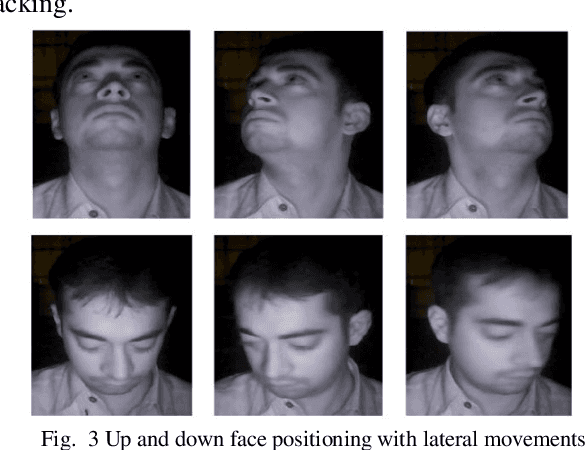
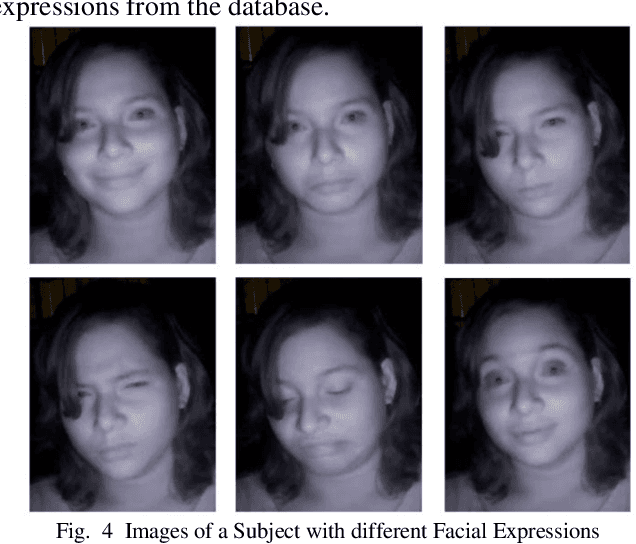
Human Computer Interaction (HCI) is an evolving area of research for coherent communication between computers and human beings. Some of the important applications of HCI as reported in literature are face detection, face pose estimation, face tracking and eye gaze estimation. Development of algorithms for these applications is an active field of research. However, availability of standard database to validate such algorithms is insufficient. This paper discusses the creation of such a database created under Near Infra-Red (NIR) illumination. NIR illumination has gained its popularity for night mode applications since prolonged exposure to Infra-Red (IR) lighting may lead to many health issues. The database contains NIR videos of 60 subjects in different head orientations and with different facial expressions, facial occlusions and illumination variation. This new database can be a very valuable resource for development and evaluation of algorithms on face detection, eye detection, head tracking, eye gaze tracking etc. in NIR lighting.
Robust Facial Expression Classification Using Shape and Appearance Features
May 15, 2015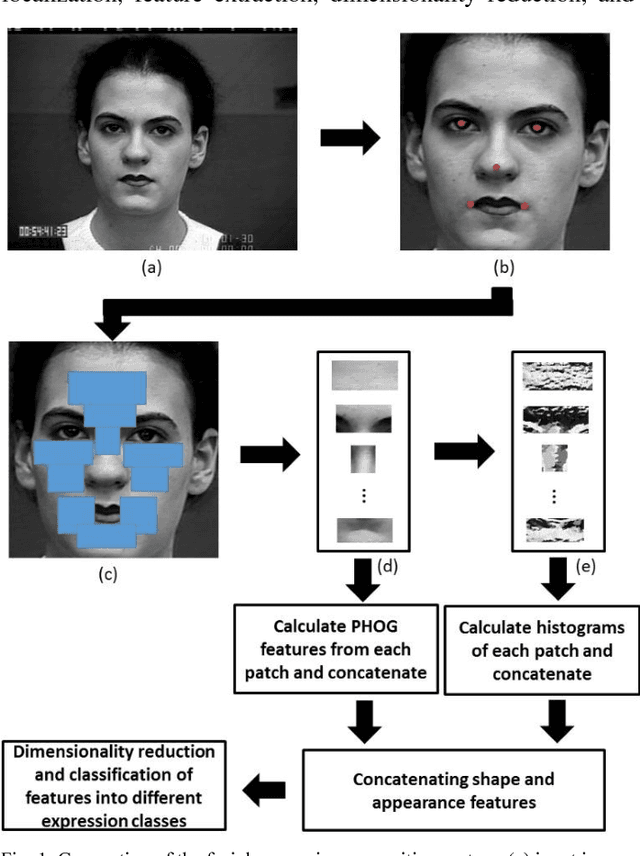
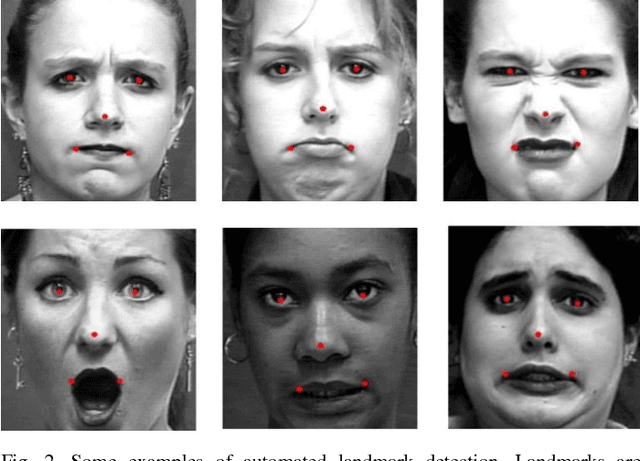
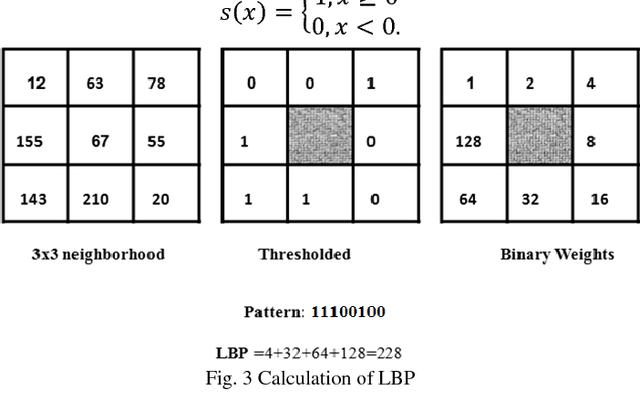
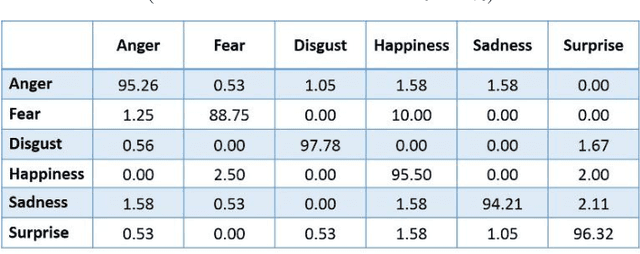
Facial expression recognition has many potential applications which has attracted the attention of researchers in the last decade. Feature extraction is one important step in expression analysis which contributes toward fast and accurate expression recognition. This paper represents an approach of combining the shape and appearance features to form a hybrid feature vector. We have extracted Pyramid of Histogram of Gradients (PHOG) as shape descriptors and Local Binary Patterns (LBP) as appearance features. The proposed framework involves a novel approach of extracting hybrid features from active facial patches. The active facial patches are located on the face regions which undergo a major change during different expressions. After detection of facial landmarks, the active patches are localized and hybrid features are calculated from these patches. The use of small parts of face instead of the whole face for extracting features reduces the computational cost and prevents the over-fitting of the features for classification. By using linear discriminant analysis, the dimensionality of the feature is reduced which is further classified by using the support vector machine (SVM). The experimental results on two publicly available databases show promising accuracy in recognizing all expression classes.
Automatic Facial Expression Recognition Using Features of Salient Facial Patches
May 15, 2015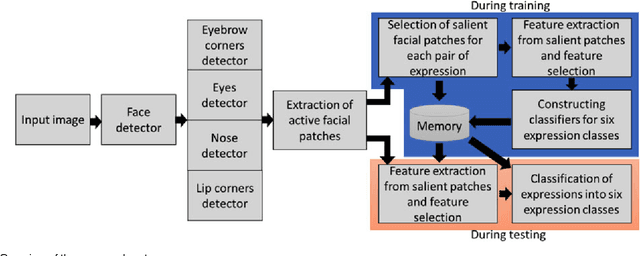
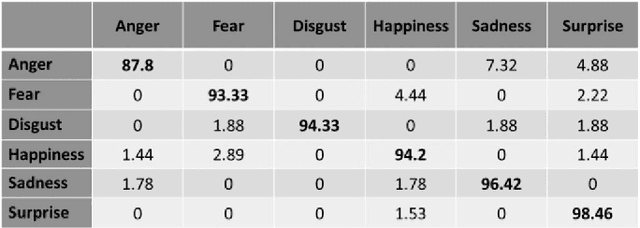

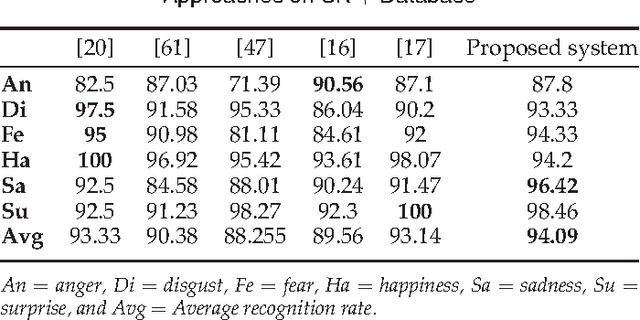
Extraction of discriminative features from salient facial patches plays a vital role in effective facial expression recognition. The accurate detection of facial landmarks improves the localization of the salient patches on face images. This paper proposes a novel framework for expression recognition by using appearance features of selected facial patches. A few prominent facial patches, depending on the position of facial landmarks, are extracted which are active during emotion elicitation. These active patches are further processed to obtain the salient patches which contain discriminative features for classification of each pair of expressions, thereby selecting different facial patches as salient for different pair of expression classes. One-against-one classification method is adopted using these features. In addition, an automated learning-free facial landmark detection technique has been proposed, which achieves similar performances as that of other state-of-art landmark detection methods, yet requires significantly less execution time. The proposed method is found to perform well consistently in different resolutions, hence, providing a solution for expression recognition in low resolution images. Experiments on CK+ and JAFFE facial expression databases show the effectiveness of the proposed system.
A Vision Based System for Monitoring the Loss of Attention in Automotive Drivers
May 13, 2015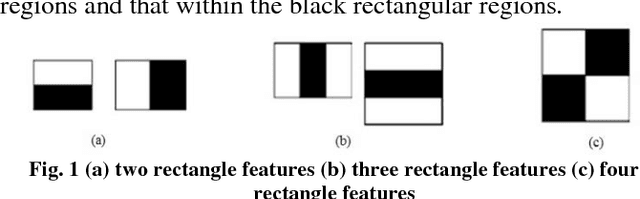
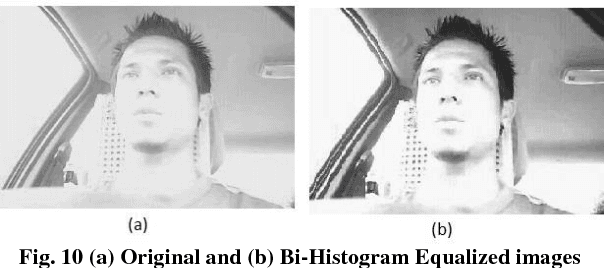
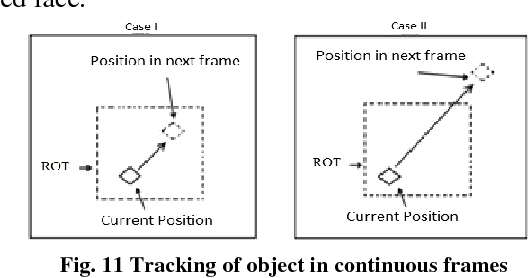
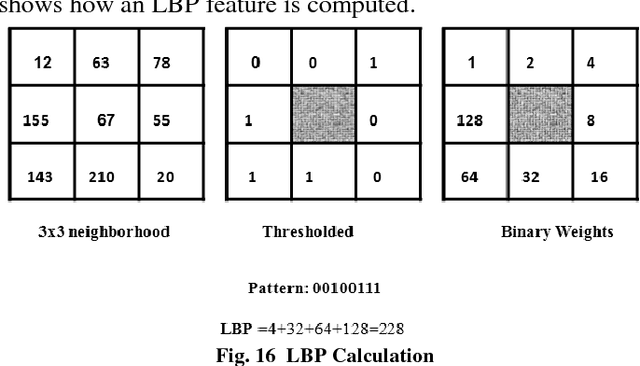
On board monitoring of the alertness level of an automotive driver has been a challenging research in transportation safety and management. In this paper, we propose a robust real time embedded platform to monitor the loss of attention of the driver during day as well as night driving conditions. The PERcentage of eye CLOSure (PERCLOS) has been used as the indicator of the alertness level. In this approach, the face is detected using Haar like features and tracked using a Kalman Filter. The Eyes are detected using Principal Component Analysis (PCA) during day time and the block Local Binary Pattern (LBP) features during night. Finally the eye state is classified as open or closed using Support Vector Machines(SVM). In plane and off plane rotations of the drivers face have been compensated using Affine and Perspective Transformation respectively. Compensation in illumination variation is carried out using Bi Histogram Equalization (BHE). The algorithm has been cross validated using brain signals and finally been implemented on a Single Board Computer (SBC) having Intel Atom processor, 1 GB RAM, 1.66 GHz clock, x86 architecture, Windows Embedded XP operating system. The system is found to be robust under actual driving conditions.
* 14 pages, 24 figures Journal article
A Framework for Fast Face and Eye Detection
May 13, 2015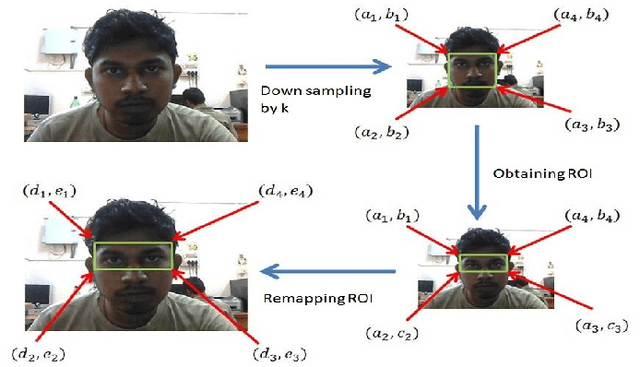
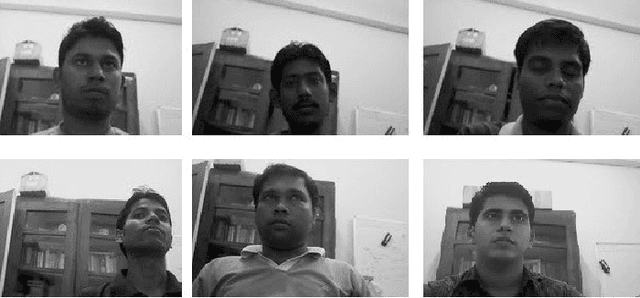
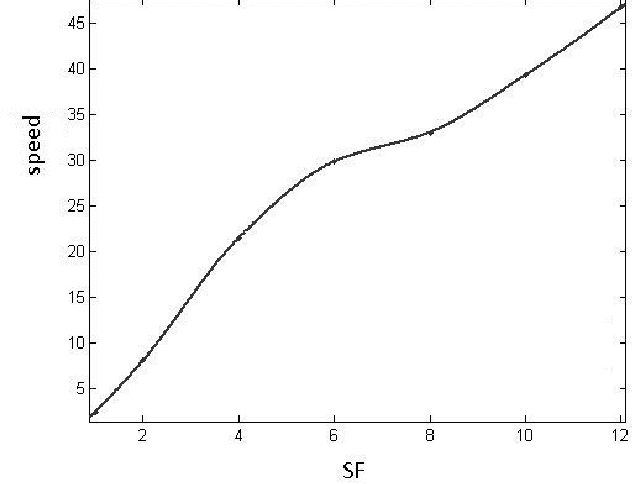
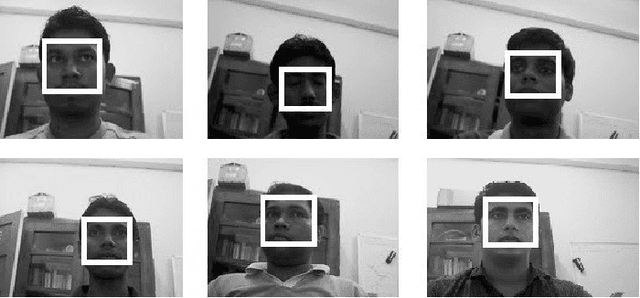
Face detection is an essential step in many computer vision applications like surveillance, tracking, medical analysis, facial expression analysis etc. Several approaches have been made in the direction of face detection. Among them, Haar-like features based method is a robust method. In spite of the robustness, Haar - like features work with some limitations. However, with some simple modifications in the algorithm, its performance can be made faster and more robust. The present work refers to the increase in speed of operation of the original algorithm by down sampling the frames and its analysis with different scale factors. It also discusses the detection of tilted faces using an affine transformation of the input image.