 Add to Chrome
 Add to Firefox
 Add to Edge
LEACL: LLM-Enhanced Automatic Curriculum Learning for Reinforcement Learning in Long-Horizon Manipulation Tasks
Jul 26, 2026
Long-horizon manipulation tasks pose significant challenges for reinforcement learning due to sparse reward signals and long horizons. Automatic curriculum learning (ACL) has been proposed to tackle these challenges by progressively training agents on a sequence of tasks, from easier to more difficult. However, the success of ACL depends heavily on task-dependent specifications-such as well-defined task parameter spaces and difficulty measures-which are often manually crafted and difficult to generalize across diverse tasks. Recent advances in large language models (LLMs) offer a promising alternative by enabling the decomposition of complex tasks into meaningful subtasks using the LLMs' web-scale common-sense knowledge. This decomposition can provide a natural curriculum structure for efficient learning of long-horizon tasks. However, existing LLM-based methods typically rely on hand-designed dense reward functions to learn each subtask, which can introduce bias and still requires significant human supervision. In this work, we propose LLM-enhanced automatic curriculum learning (LEACL), a framework that integrates LLMs and ACL to address these limitations. Specifically, LLMs are used to both decompose tasks into subtasks and to generate task-dependent specifications for each subtask. These specifications are then used by ACL algorithms to guide learning using only sparse reward signals, eliminating the need for dense reward design. We evaluate LEACL on five long-horizon manipulation tasks from the LIBERO benchmark. LEACL achieves better asymptotic performance in terms of the success rates compared to human-designed dense rewards.

Wireless Self-Powered Visual and NDE low-Cost Inspection System For Small Diameter Live Gas Distribution Mains
Jun 07, 2022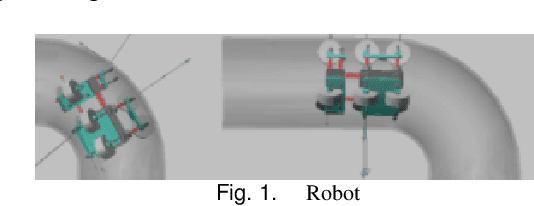
The arrangement of an in-pipe climbing robot that works using a sharp transmission part to explore complex relationship of lines. Standard wheeled/continued in-pipe climbing robots are leaned to slip and take while researching in pipe turns. The instrument helps in achieving the really unavoidable consequence of getting out slip and drag in the robot tracks during progression. The proposed transmission likes the useful uttermost scopes of the standard two-yield transmission, which is fostered the fundamental time for a transmission with three outcomes. The instrument decisively changes the track velocities of the robot considering the powers applied on each track inside the line relationship, by getting out the fundamental for any wonderful control. The entertainment of the robot crossing in the line network in different direction and in pipe-turns without slip shows the proposed course of action's ampleness.
An In-Pipe Inspection Robot With Sensorless Underactuated Magnets and Omnidirectional Tracks: Design and Implementation
May 20, 2022
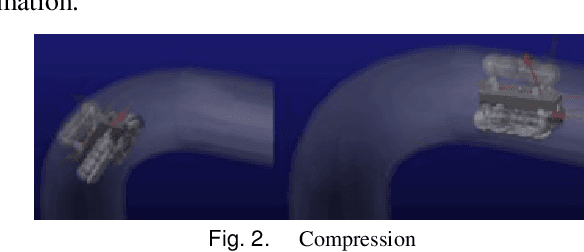
This paper presents the plan of an in-pipe climbing robot that works utilizing an astute transmission part to investigate complex relationship of lines. Standard wheeled/proceeded in-pipe climbing robots are inclined to slip and take while investigating in pipe turns. The instrument helps in accomplishing the main inevitable result of getting out slip and drag in the robot tracks during advancement. The proposed transmission appreciates the practical furthest reaches of the standard two-yield transmission, which is developed the basic time for a transmission with three results. The instrument conclusively changes the track speeds of the robot considering the powers applied on each track inside the line relationship, by getting out the essential for any remarkable control. The amusement of the robot crossing in the line network in various orientation and in pipe-turns without slip shows the proposed game plan's adequacy.
In-Pipe Robot
Jan 25, 2022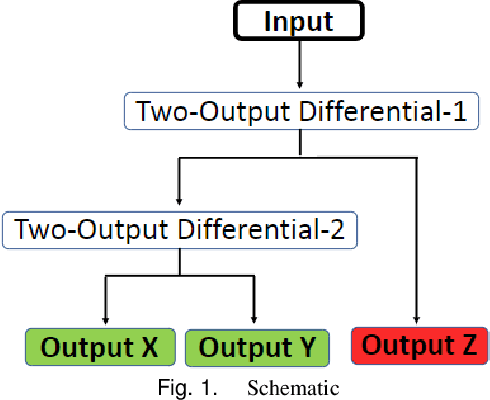
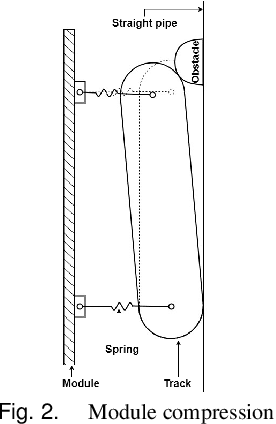
This paper presents the arrangement of an in-pipe climbing robot that works using a clever differential part to explore complex associations of lines. Standard wheeled/continued in-pipe climbing robots are leaned to slip and take while exploring in pipe turns. The mechanism helps in achieving the first eventual outcome of clearing out slip and drag in the robot tracks during development. The proposed differential comprehends the down to earth limits of the standard two-yield differential, which is cultivated the underlying time for a differential with three outcomes. The mechanism definitively changes the track paces of the robot considering the powers applied on each track inside the line association, by clearing out the prerequisite for any unique control. The entertainment of the robot crossing in the line network in different bearings and in pipe-turns without slip shows the proposed arrangement's ampleness.
Pipe Climbing Robot
Jan 19, 2022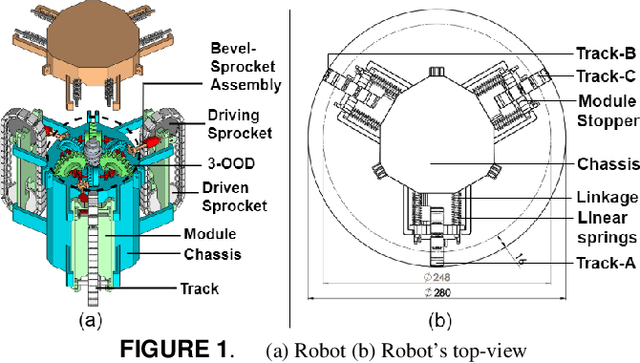
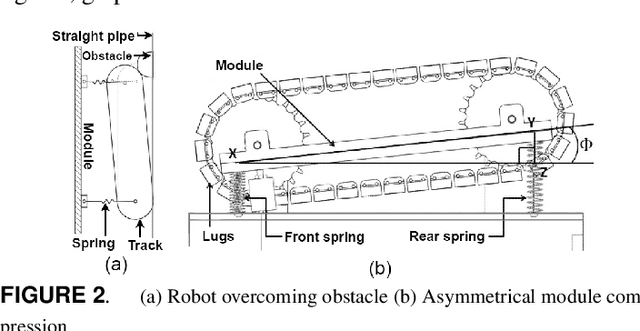
This paper presents the plan of an in-pipe climbing robot that works utilizing a novel Three-Output Open Differential(3-OOD) component to navigate complex organizations of lines. Customary wheeled/followed in-pipe climbing robots are inclined to slip and haul while navigating in pipe twists. The 3-OOD component helps in accomplishing the original aftereffect of wiping out slip and drag in the robot tracks during movement. The proposed differential understands the practical capacities of the customary two-yield differential, which is accomplished the initial time for a differential with three results. The 3-OOD component precisely tweaks the track rates of the robot in light of the powers applied on each track inside the line organization, by wiping out the requirement for any dynamic control. The recreation of the robot crossing in the line network in various directions and in pipe-twists without slip shows the proposed plan's adequacy