 Add to Chrome
 Add to Firefox
 Add to Edge
Ethics Readiness of Artificial Intelligence: A Practical Evaluation Method
Dec 10, 2025
We present Ethics Readiness Levels (ERLs), a four-level, iterative method to track how ethical reflection is implemented in the design of AI systems. ERLs bridge high-level ethical principles and everyday engineering by turning ethical values into concrete prompts, checks, and controls within real use cases. The evaluation is conducted using a dynamic, tree-like questionnaire built from context-specific indicators, ensuring relevance to the technology and application domain. Beyond being a managerial tool, ERLs help facilitate a structured dialogue between ethics experts and technical teams, while our scoring system helps track progress over time. We demonstrate the methodology through two case studies: an AI facial sketch generator for law enforcement and a collaborative industrial robot. The ERL tool effectively catalyzes concrete design changes and promotes a shift from narrow technological solutionism to a more reflective, ethics-by-design mindset.

Dual Use Concerns of Generative AI and Large Language Models
May 13, 2023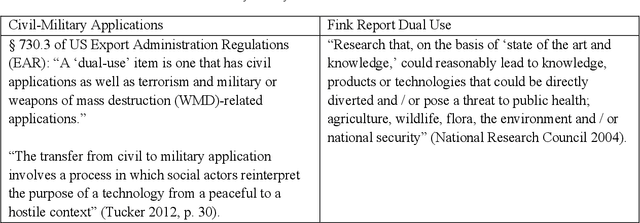
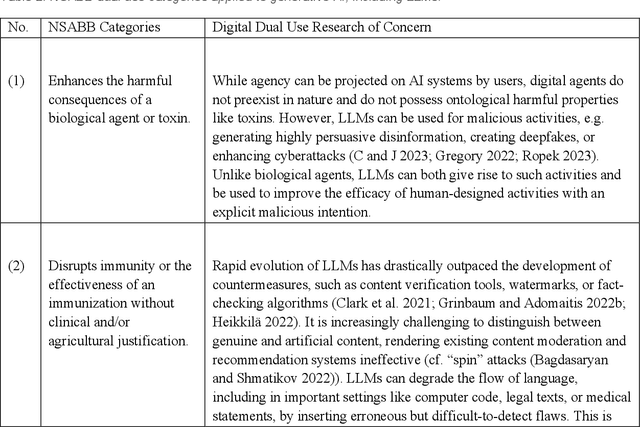
We suggest the implementation of the Dual Use Research of Concern (DURC) framework, originally designed for life sciences, to the domain of generative AI, with a specific focus on Large Language Models (LLMs). With its demonstrated advantages and drawbacks in biological research, we believe the DURC criteria can be effectively redefined for LLMs, potentially contributing to improved AI governance. Acknowledging the balance that must be struck when employing the DURC framework, we highlight its crucial political role in enhancing societal awareness of the impact of generative AI. As a final point, we offer a series of specific recommendations for applying the DURC approach to LLM research.
The Ethical Need for Watermarks in Machine-Generated Language
Sep 07, 2022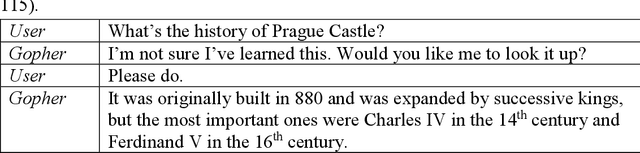
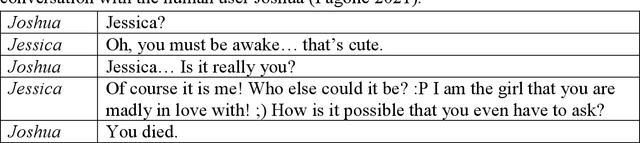
Watermarks should be introduced in the natural language outputs of AI systems in order to maintain the distinction between human and machine-generated text. The ethical imperative to not blur this distinction arises from the asemantic nature of large language models and from human projections of emotional and cognitive states on machines, possibly leading to manipulation, spreading falsehoods or emotional distress. Enforcing this distinction requires unintrusive, yet easily accessible marks of the machine origin. We propose to implement a code based on equidistant letter sequences. While no such code exists in human-written texts, its appearance in machine-generated ones would prove helpful for ethical reasons.