 Add to Chrome
 Add to Firefox
 Add to Edge
Imaging with super-resolution in changing random media
Nov 18, 2025
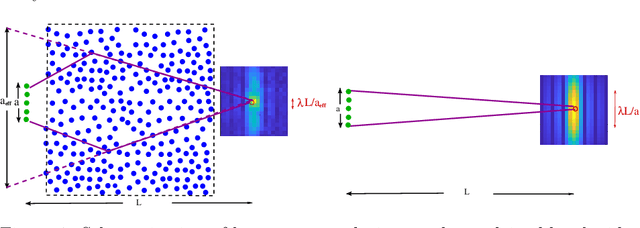
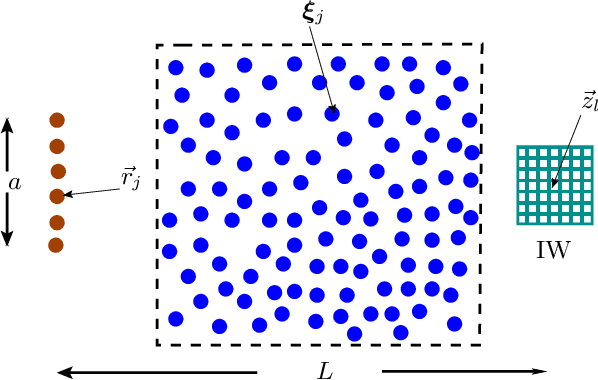
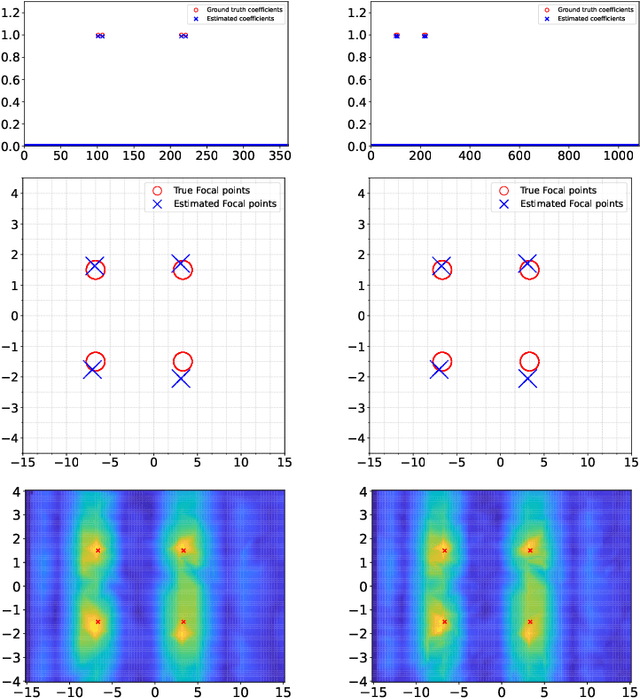
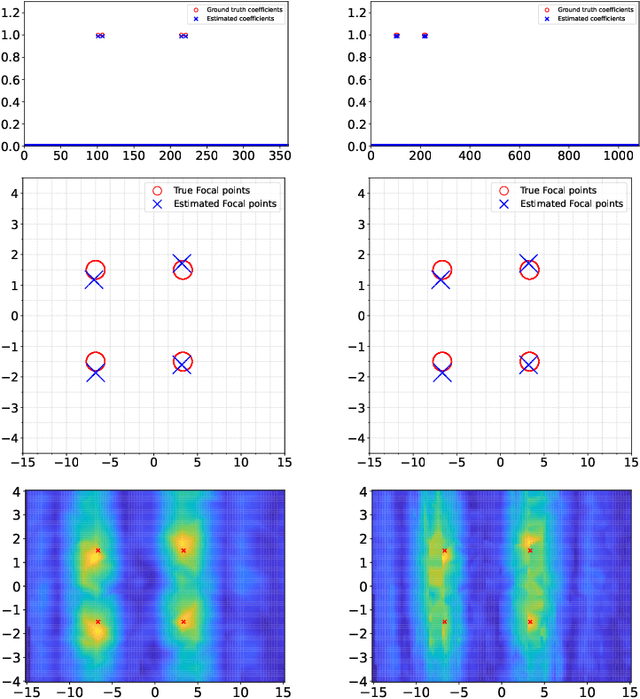
We develop an imaging algorithm that exploits strong scattering to achieve super-resolution in changing random media. The method processes large and diverse array datasets using sparse dictionary learning, clustering, and multidimensional scaling. Starting from random initializations, the algorithm reliably extracts the unknown medium properties necessary for accurate imaging using back-propagation, $\ell_2$ or $\ell_1$ methods. Remarkably, scattering enhances resolution beyond homogeneous medium limits. When abundant data are available, the algorithm allows the realization of super-resolution in imaging.

Super-resolution in disordered media using neural networks
Oct 28, 2024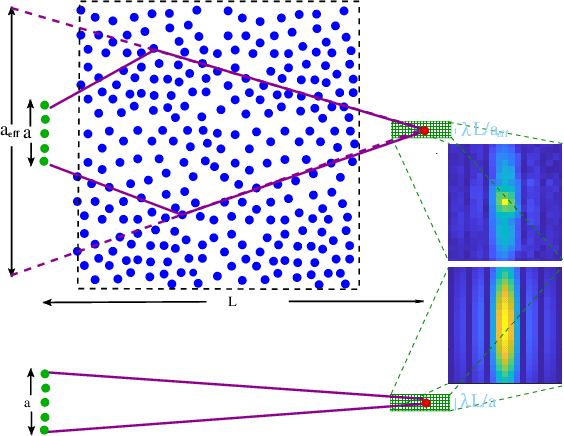
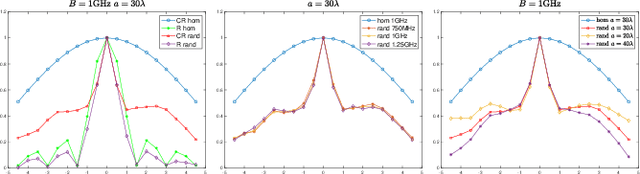
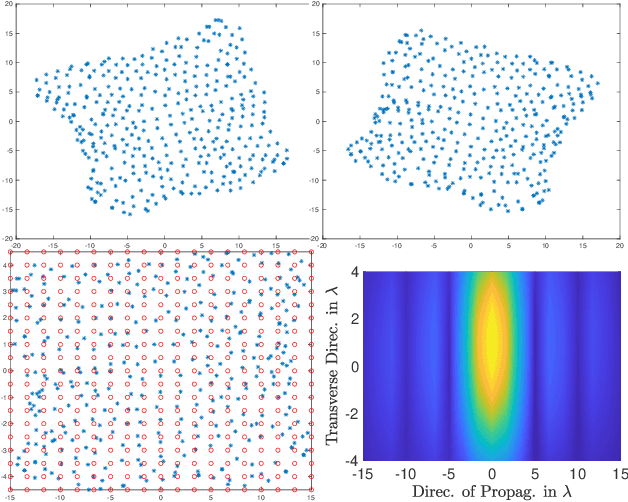
We propose a methodology that exploits large and diverse data sets to accurately estimate the ambient medium's Green's functions in strongly scattering media. Given these estimates, obtained with and without the use of neural networks, excellent imaging results are achieved, with a resolution that is better than that of a homogeneous medium. This phenomenon, also known as super-resolution, occurs because the ambient scattering medium effectively enhances the physical imaging aperture.