 Add to Chrome
 Add to Firefox
 Add to Edge
Forecasting Energy Consumption using Recurrent Neural Networks: A Comparative Analysis
Jan 23, 2026
Accurate short-term energy consumption forecasting is essential for efficient power grid management, resource allocation, and market stability. Traditional time-series models often fail to capture the complex, non-linear dependencies and external factors affecting energy demand. In this study, we propose a forecasting approach based on Recurrent Neural Networks (RNNs) and their advanced variant, Long Short-Term Memory (LSTM) networks. Our methodology integrates historical energy consumption data with external variables, including temperature, humidity, and time-based features. The LSTM model is trained and evaluated on a publicly available dataset, and its performance is compared against a conventional feed-forward neural network baseline. Experimental results show that the LSTM model substantially outperforms the baseline, achieving lower Mean Absolute Error (MAE) and Root Mean Squared Error (RMSE). These findings demonstrate the effectiveness of deep learning models in providing reliable and precise short-term energy forecasts for real-world applications.

Supervised Classification of RADARSAT-2 Polarimetric Data for Different Land Features
Aug 01, 2016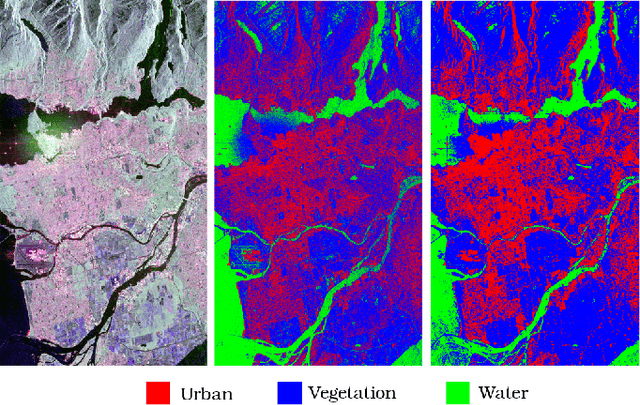
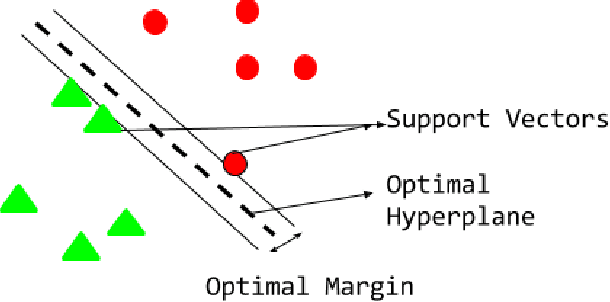
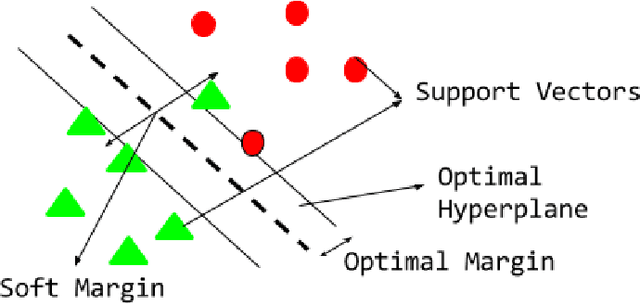
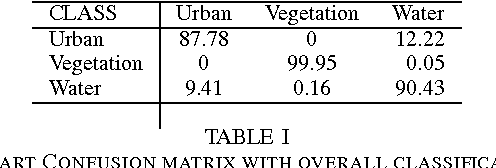
The pixel percentage belonging to the user defined area that are assigned to cluster in a confusion matrix for RADARSAT-2 over Vancouver area has been analysed for classification. In this study, supervised Wishart and Support Vector Machine (SVM) classifiers over RADARSAT-2 (RS2) fine quadpol mode Single Look Complex (SLC) product data is computed and compared. In comparison with conventional single channel or dual channel polarization, RADARSAT-2 is fully polarimetric, making it to offer better land feature contrast for classification operation.
Improvised Salient Object Detection and Manipulation
Nov 10, 2015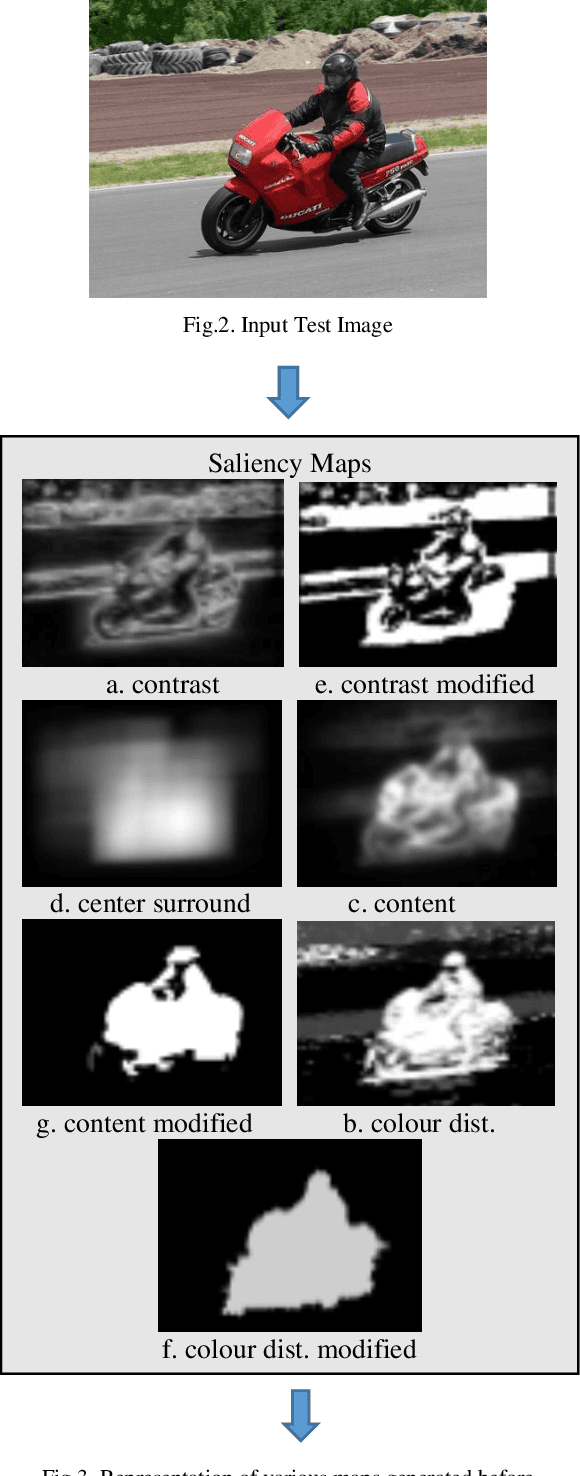
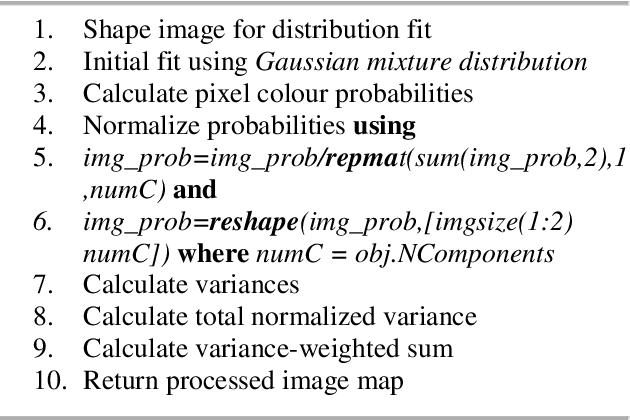
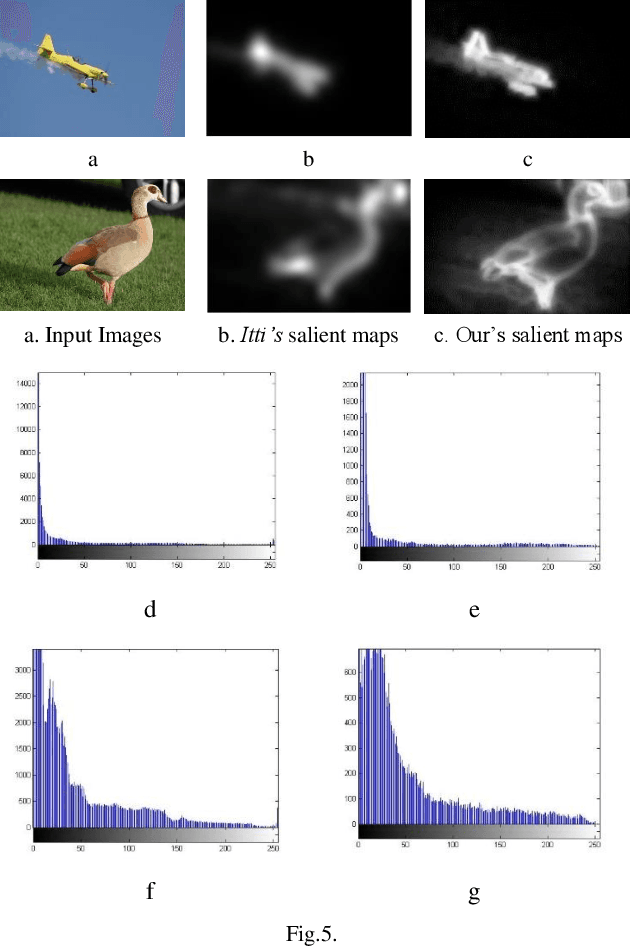
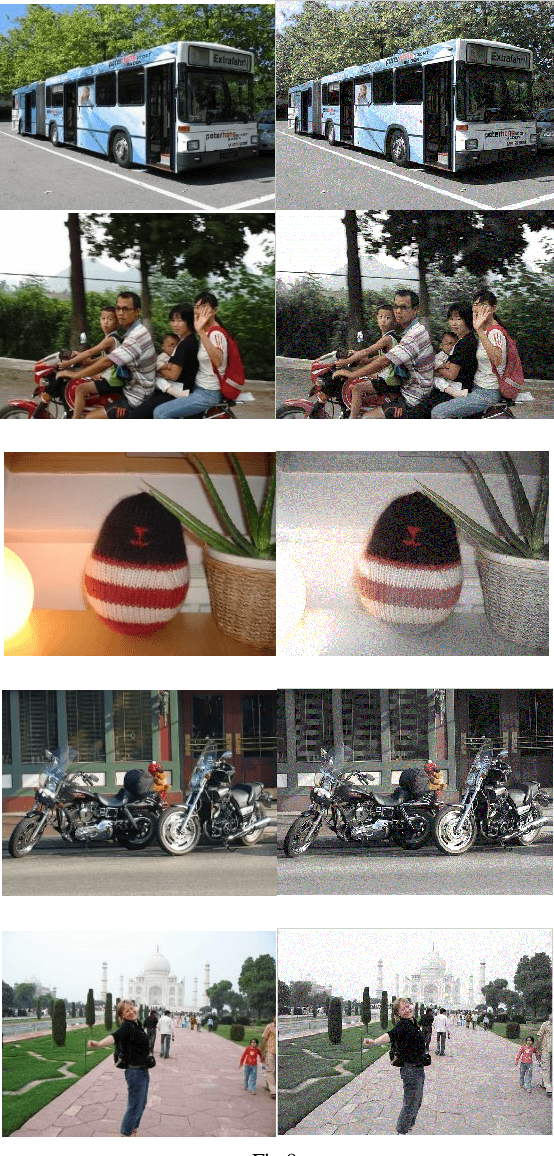
In case of salient subject recognition, computer algorithms have been heavily relied on scanning of images from top-left to bottom-right systematically and apply brute-force when attempting to locate objects of interest. Thus, the process turns out to be quite time consuming. Here a novel approach and a simple solution to the above problem is discussed. In this paper, we implement an approach to object manipulation and detection through segmentation map, which would help to desaturate or, in other words, wash out the background of the image. Evaluation for the performance is carried out using the Jaccard index against the well-known Ground-truth target box technique.