 Add to Chrome
 Add to Firefox
 Add to Edge
From Prompts to Power: Measuring the Energy Footprint of LLM Inference
Nov 05, 2025
The rapid expansion of Large Language Models (LLMs) has introduced unprecedented energy demands, extending beyond training to large-scale inference workloads that often dominate total lifecycle consumption. Deploying these models requires energy-intensive GPU infrastructure, and in some cases has even prompted plans to power data centers with nuclear energy. Despite this growing relevance, systematic analyses of inference energy consumption remain limited. In this work, we present a large-scale measurement-based study comprising over 32,500 measurements across 21 GPU configurations and 155 model architectures, from small open-source models to frontier systems. Using the vLLM inference engine, we quantify energy usage at the prompt level and identify how architectural and operational factors shape energy demand. Building on these insights, we develop a predictive model that accurately estimates inference energy consumption across unseen architectures and hardware, and implement it as a browser extension to raise awareness of the environmental impact of generative AI.

CarbonTag: A browser-based method for approximating energy consumption of online ads
Oct 25, 2022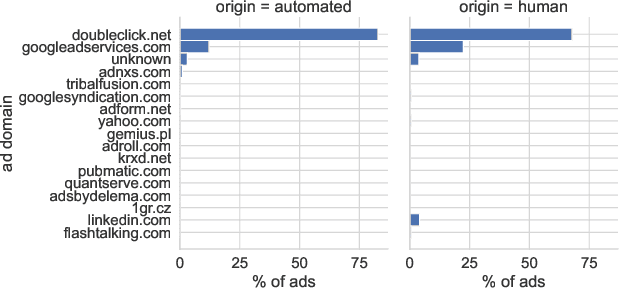
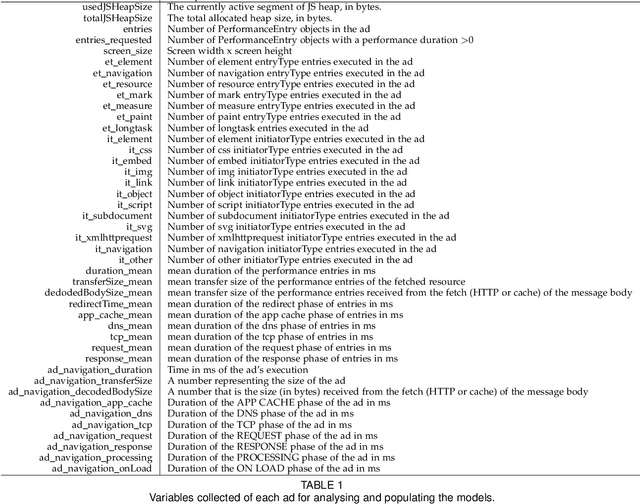
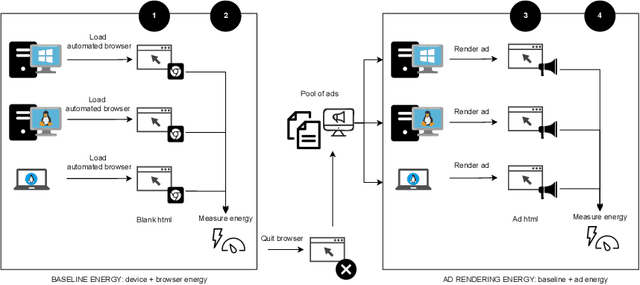
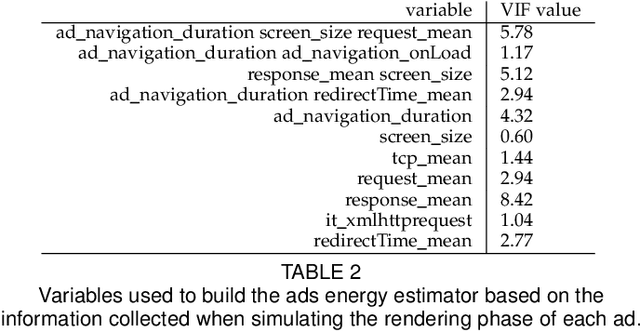
Energy is today the most critical environmental challenge. The amount of carbon emissions contributing to climate change is significantly influenced by both the production and consumption of energy. Measuring and reducing the energy consumption of services is a crucial step toward reducing adverse environmental effects caused by carbon emissions. Millions of websites rely on online advertisements to generate revenue, with most websites earning most or all of their revenues from ads. As a result, hundreds of billions of online ads are delivered daily to internet users to be rendered in their browsers. Both the delivery and rendering of each ad consume energy. This study investigates how much energy online ads use and offers a way for predicting it as part of rendering the ad. To the best of the authors' knowledge, this is the first study to calculate the energy usage of single advertisements. Our research further introduces different levels of consumption by which online ads can be classified based on energy efficiency. This classification will allow advertisers to add energy efficiency metrics and optimize campaigns towards consuming less possible.