 Add to Chrome
 Add to Firefox
 Add to Edge
When the Base Station Flies: Rethinking Security for UAV-Based 6G Networks
Paper and Code
Dec 25, 2025
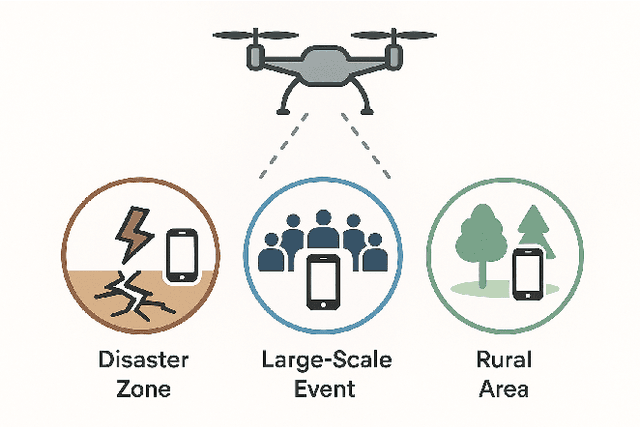
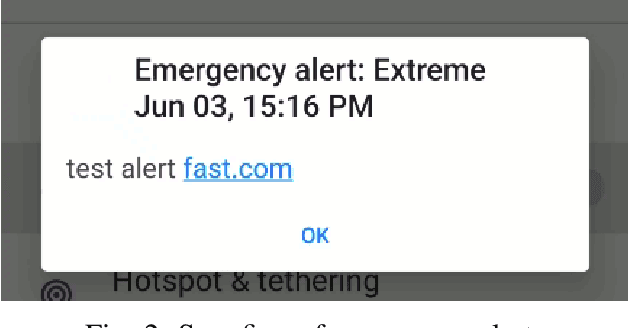
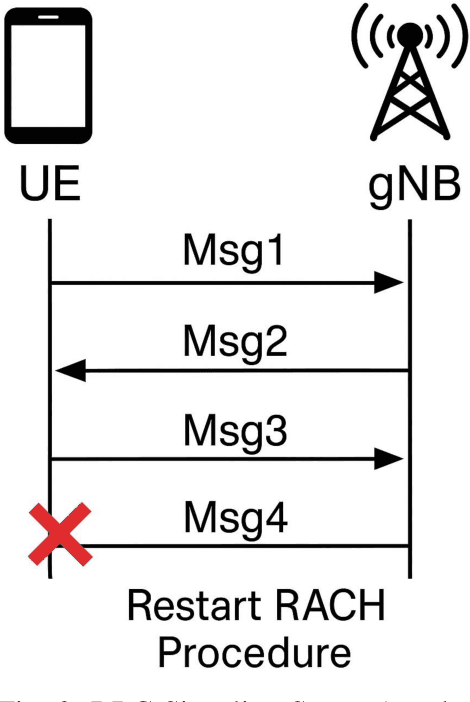
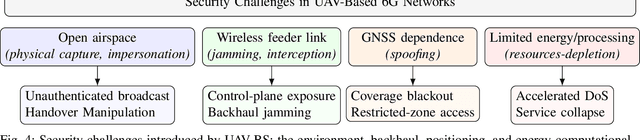
The integration of non-terrestrial networks (NTNs) into 6G systems is crucial for achieving seamless global coverage, particularly in underserved and disaster-prone regions. Among NTN platforms, unmanned aerial vehicles (UAVs) are especially promising due to their rapid deployability. However, this shift from fixed, wired base stations (BSs) to mobile, wireless, energy-constrained UAV-BSs introduces unique security challenges. Their central role in emergency communications makes them attractive candidates for emergency alert spoofing. Their limited computing and energy resources make them more vulnerable to denial-of-service (DoS) attacks, and their dependence on wireless backhaul links and GNSS navigation exposes them to jamming, interception, and spoofing. Furthermore, UAV mobility opens new attack vectors such as malicious handover manipulation. This paper identifies several attack surfaces of UAV-BS systems and outlines principles for mitigating their threats.
