 Add to Chrome
 Add to Firefox
 Add to Edge
Enhancing operations management through smart sensors: measuring and improving well-being, interaction and performance of logistics workers
Dec 15, 2021
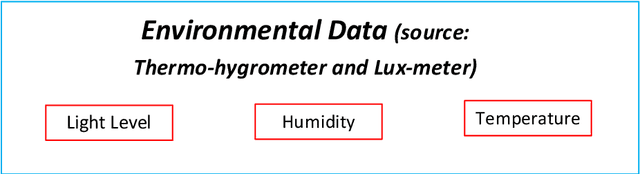
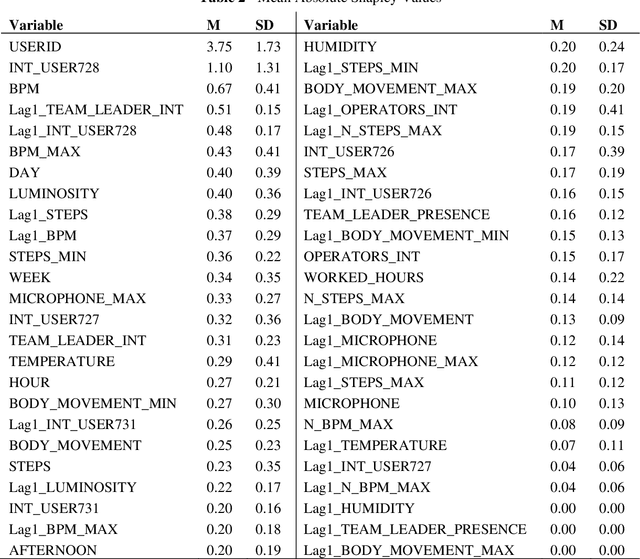
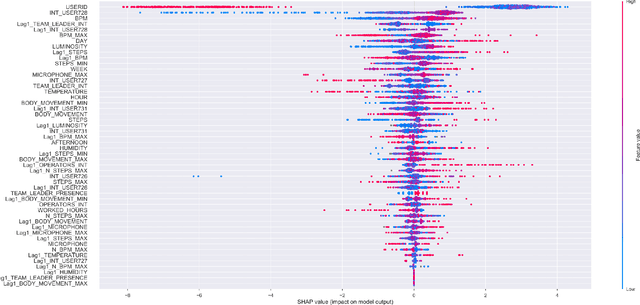
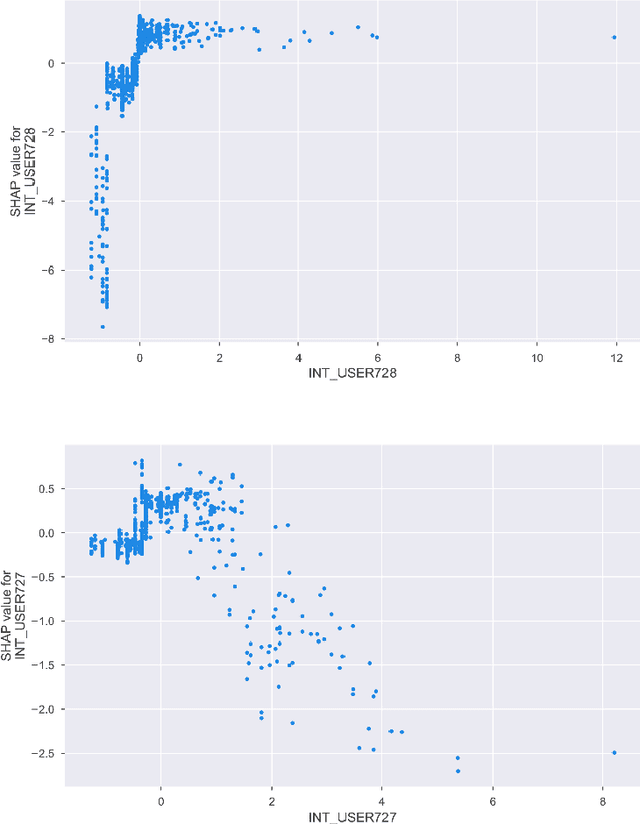
Purpose The purpose of the research is to conduct an exploratory investigation of the material handling activities of an Italian logistics hub. Wearable sensors and other smart tools were used for collecting human and environmental features during working activities. These factors were correlated with workers' performance and well-being. Design/methodology/approach Human and environmental factors play an important role in operations management activities since they significantly influence employees' performance, well-being and safety. Surprisingly, empirical studies about the impact of such aspects on logistics operations are still very limited. Trying to fill this gap, the research empirically explores human and environmental factors affecting the performance of logistics workers exploiting smart tools. Findings Results suggest that human attitudes, interactions, emotions and environmental conditions remarkably influence workers' performance and well-being, however, showing different relationships depending on individual characteristics of each worker. Practical implications The authors' research opens up new avenues for profiling employees and adopting an individualized human resource management, providing managers with an operational system capable to potentially check and improve workers' well-being and performance. Originality/value The originality of the study comes from the in-depth exploration of human and environmental factors using body-worn sensors during work activities, by recording individual, collaborative and environmental data in real-time. To the best of the authors' knowledge, the current paper is the first time that such a detailed analysis has been carried out in real-world logistics operations.
* in press

From words to connections: Word use similarity as an honest signal conducive to employees' digital communication
Nov 11, 2021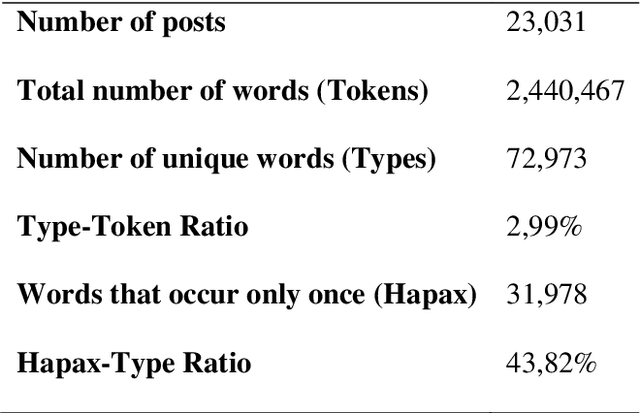
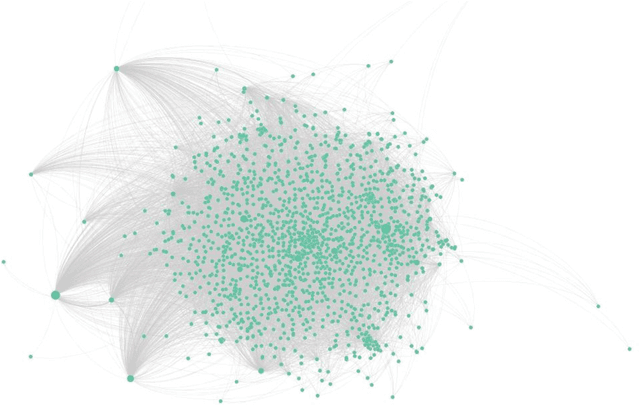
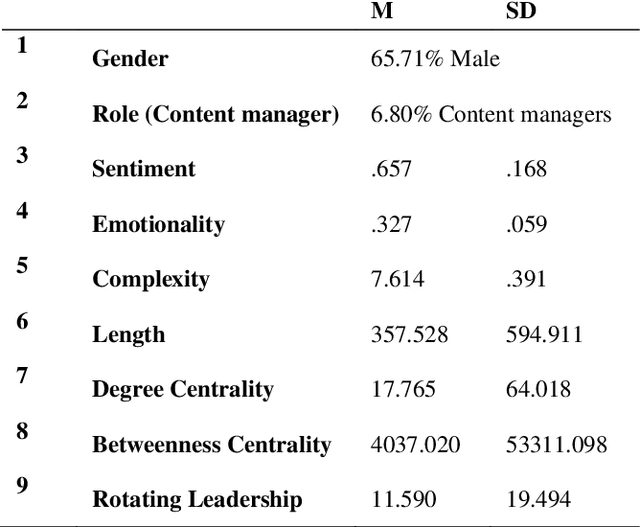
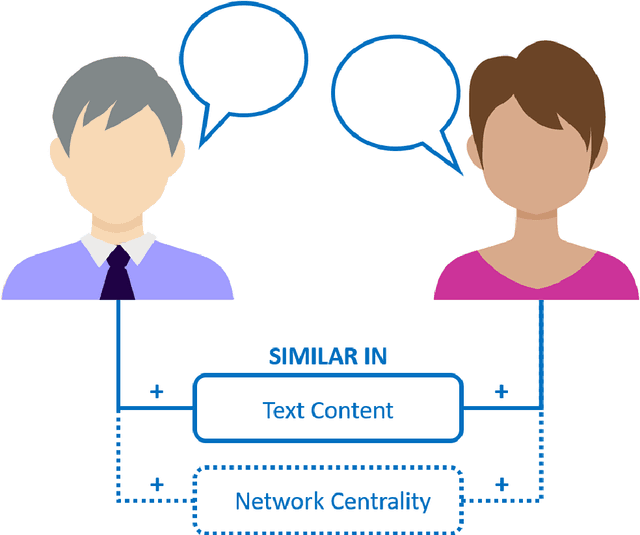
Bringing together considerations from three research trends (honest signals of collaboration, socio-semantic networks and homophily theory), we hypothesise that word use similarity and having similar social network positions are linked with the level of employees' digital interaction. To verify our hypothesis, we analyse the communication of close to 1600 employees, interacting on the intranet communication forum of a large company. We study their social dynamics and the 'honest signals' that, in past research, proved to be conducive to employees' engagement and collaboration. We find that word use similarity is the main driver of interaction, much more than other language characteristics or similarity in network position. Our results suggest carefully choosing the language according to the target audience and have practical implications for both company managers and online community administrators. Understanding how to better use language could, for example, support the development of knowledge sharing practices or internal communication campaigns.
As long as you talk about me: The importance of family firm brands and the contingent role of family-firm identity
Oct 19, 2021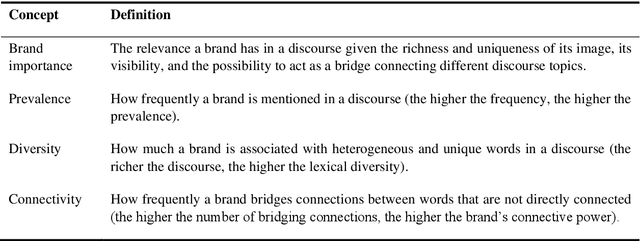
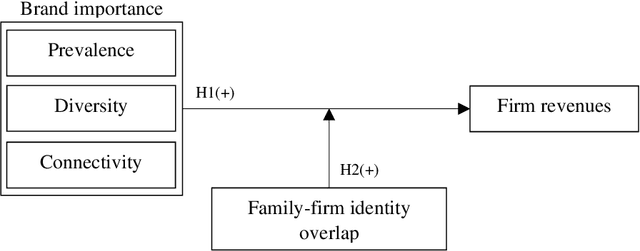
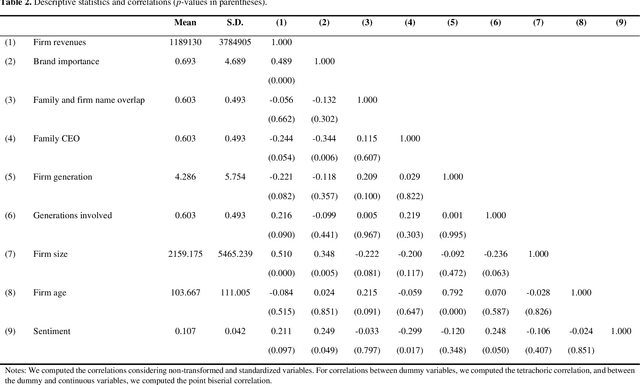
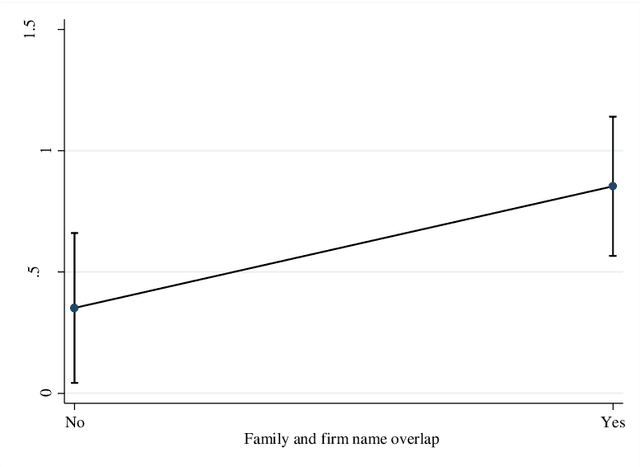
This study explores the role of external audiences in determining the importance of family firm brands and the relationship with firm performance. Drawing on text mining and social network analysis techniques, and considering the brand prevalence, diversity, and connectivity dimensions, we use the semantic brand score to measure the importance the media give to family firm brands. The analysis of a sample of 52,555 news articles published in 2017 about 63 Italian entrepreneurial families reveals that brand importance is positively associated with family firm revenues, and this relationship is stronger when there is identity match between the family and the firm. This study advances current literature by offering a rich and multifaceted perspective on how external audiences perceptions of the brand shape family firm performance.
A new system for evaluating brand importance: A use case from the fashion industry
Jun 24, 2021
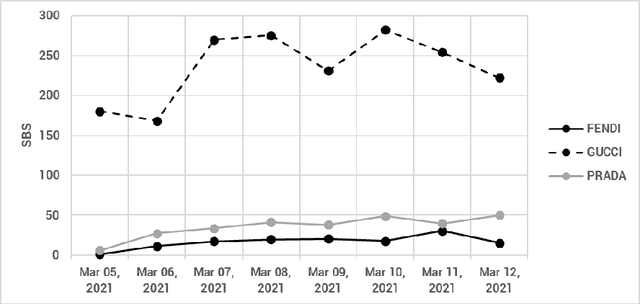
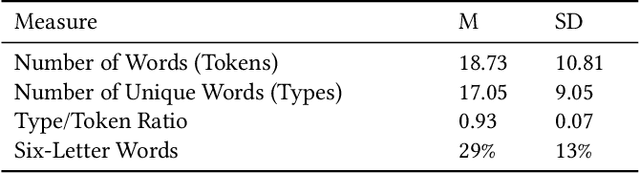

Today brand managers and marketing specialists can leverage huge amount of data to reveal patterns and trends in consumer perceptions, monitoring positive or negative associations of brands with respect to desired topics. In this study, we apply the Semantic Brand Score (SBS) indicator to assess brand importance in the fashion industry. To this purpose, we measure and visualize text data using the SBS Business Intelligence App (SBS BI), which relies on methods and tools of text mining and social network analysis. We collected and analyzed about 206,000 tweets that mentioned the fashion brands Fendi, Gucci and Prada, during the period from March 5 to March 12, 2021. From the analysis of the three SBS dimensions - prevalence, diversity and connectivity - we found that Gucci dominated the discourse, with high values of SBS. We use this case study as an example to present a new system for evaluating brand importance and image, through the analysis of (big) textual data.
Corporate core values and social responsibility: What really matters to whom
Jun 03, 2021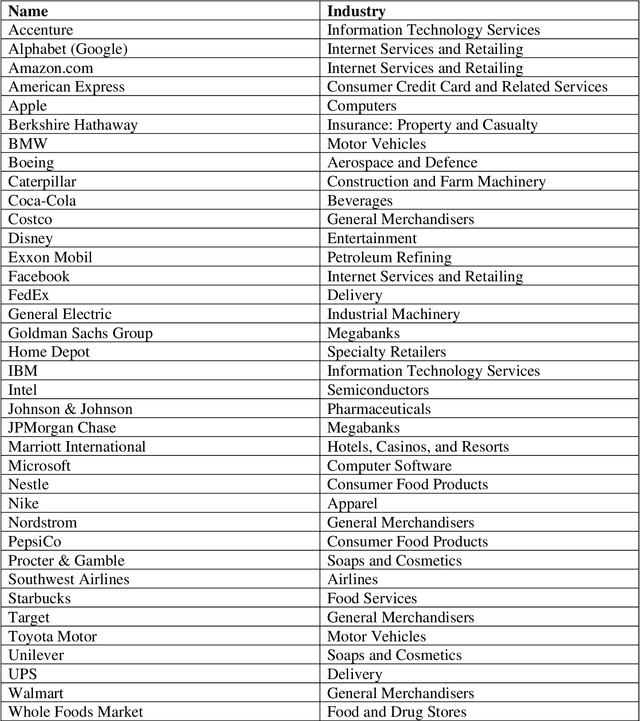
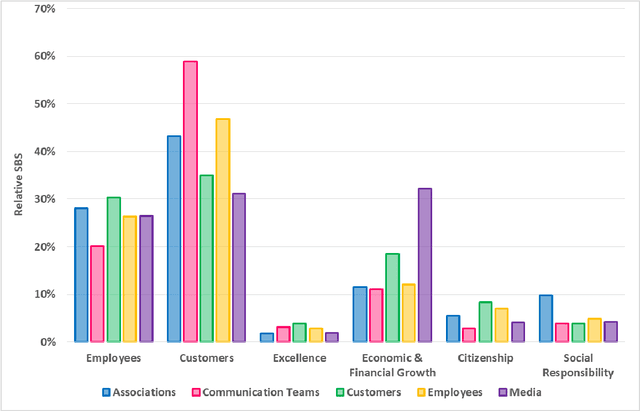
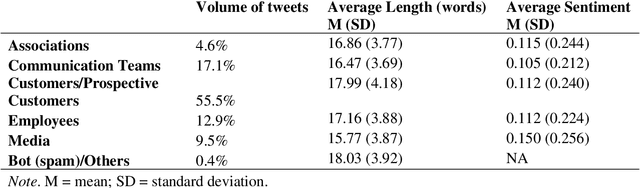
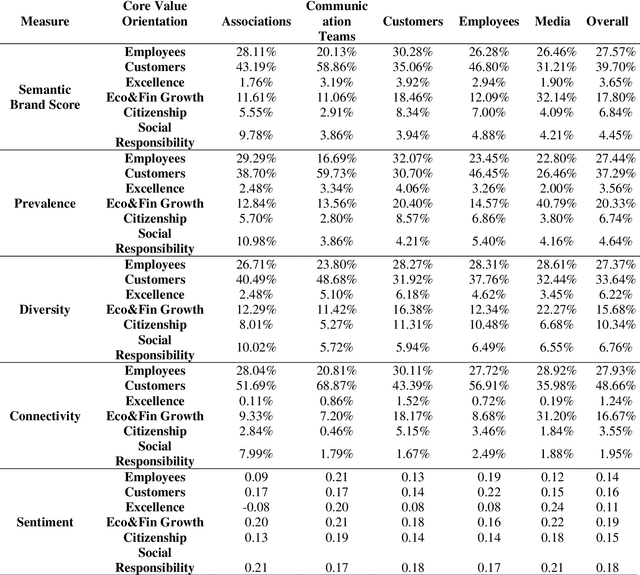
This study uses an innovative measure, the Semantic Brand Score, to assess the interest of stakeholders in different company core values. Among others, we focus on corporate social responsibility (CSR) core value statements, and on the attention they receive from five categories of stakeholders (customers, company communication teams, employees, associations and media). Combining big data methods and tools of Social Network Analysis and Text Mining, we analyzed about 58,000 Italian tweets and found that different stakeholders have different prevailing interests. CSR gets much less attention than expected. Core values related to customers and employees are in the foreground.
Put your money where your mouth is: Using deep learning to identify consumer tribes from word usage
May 27, 2021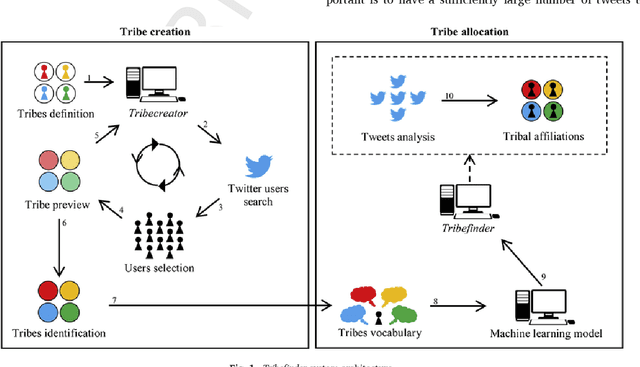
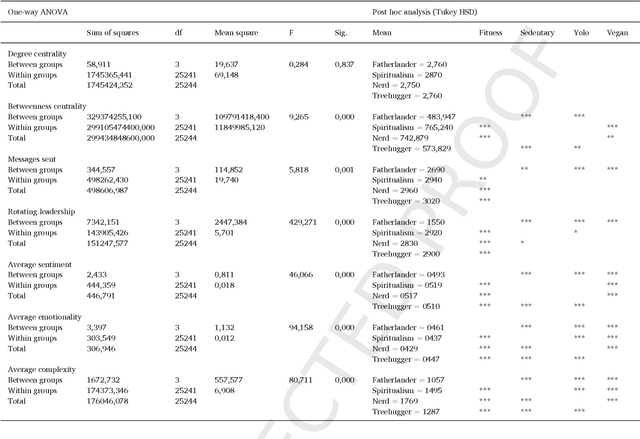
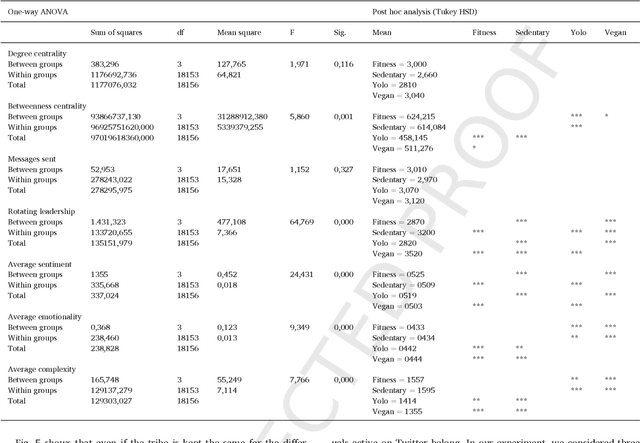
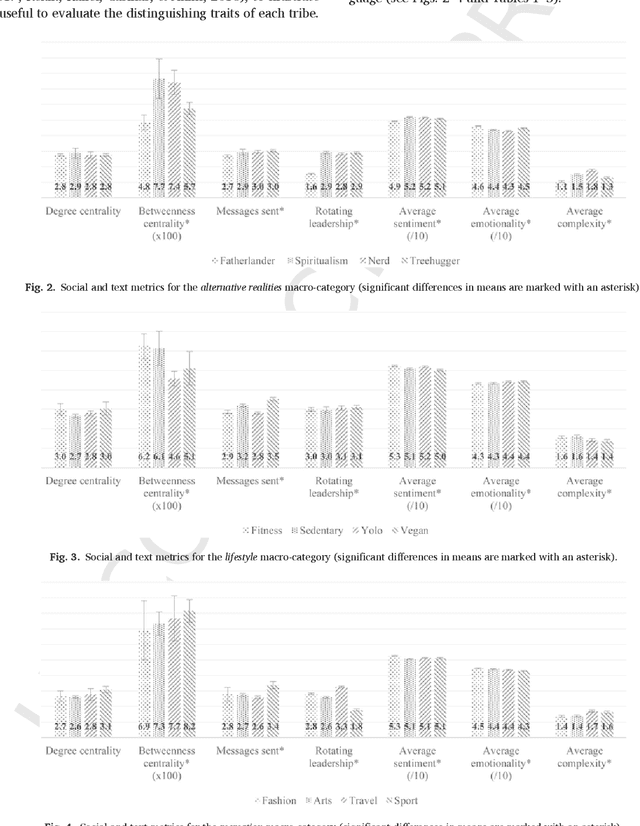
Internet and social media offer firms novel ways of managing their marketing strategy and gain competitive advantage. The groups of users expressing themselves on the Internet about a particular topic, product, or brand are frequently called a virtual tribe or E-tribe. However, there are no automatic tools for identifying and studying the characteristics of these virtual tribes. Towards this aim, this paper presents Tribefinder, a system to reveal Twitter users' tribal affiliations, by analyzing their tweets and language use. To show the potential of this instrument, we provide an example considering three specific tribal macro-categories: alternative realities, lifestyle, and recreation. In addition, we discuss the different characteristics of each identified tribe, in terms of use of language and social interaction metrics. Tribefinder illustrates the importance of adopting a new lens for studying virtual tribes, which is crucial for firms to properly design their marketing strategy, and for scholars to extend prior marketing research.
Finding top performers through email patterns analysis
May 27, 2021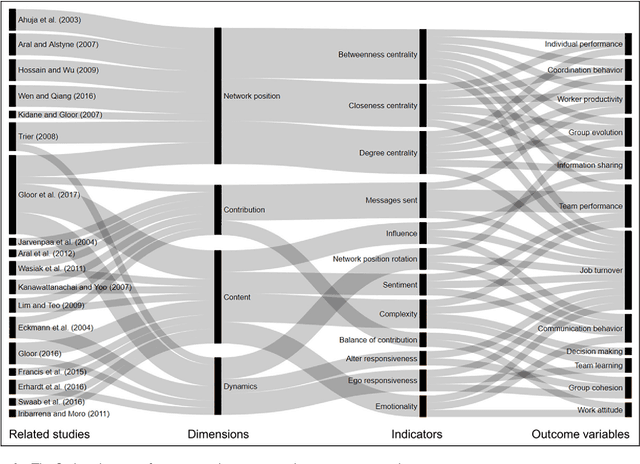
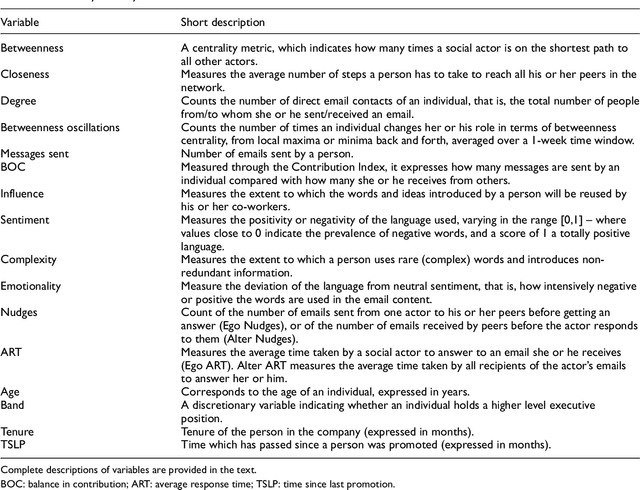
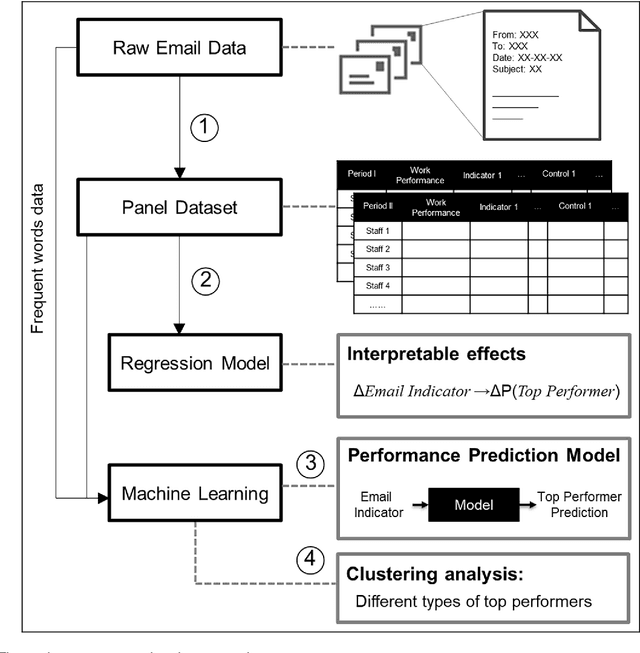
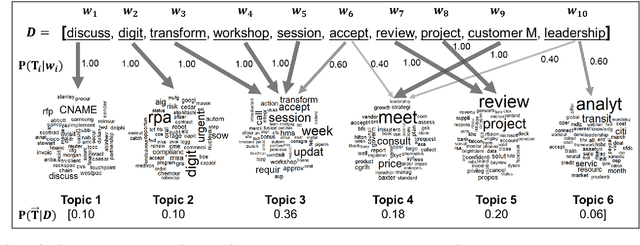
In the information economy, individuals' work performance is closely associated with their digital communication strategies. This study combines social network and semantic analysis to develop a method to identify top performers based on email communication. By reviewing existing literature, we identified the indicators that quantify email communication into measurable dimensions. To empirically examine the predictive power of the proposed indicators, we collected 2 million email archive of 578 executives in an international service company. Panel regression was employed to derive interpretable association between email indicators and top performance. The results suggest that top performers tend to assume central network positions and have high responsiveness to emails. In email contents, top performers use more positive and complex language, with low emotionality, but rich in influential words that are probably reused by co-workers. To better explore the predictive power of the email indicators, we employed AdaBoost machine learning models, which achieved 83.56% accuracy in identifying top performers. With cluster analysis, we further find three categories of top performers, "networkers" with central network positions, "influencers" with influential ideas and "positivists" with positive sentiments. The findings suggest that top performers have distinctive email communication patterns, laying the foundation for grounding email communication competence in theory. The proposed email analysis method also provides a tool to evaluate the different types of individual communication styles.
It is rotating leaders who build the swarm: social network determinants of growth for healthcare virtual communities of practice
May 26, 2021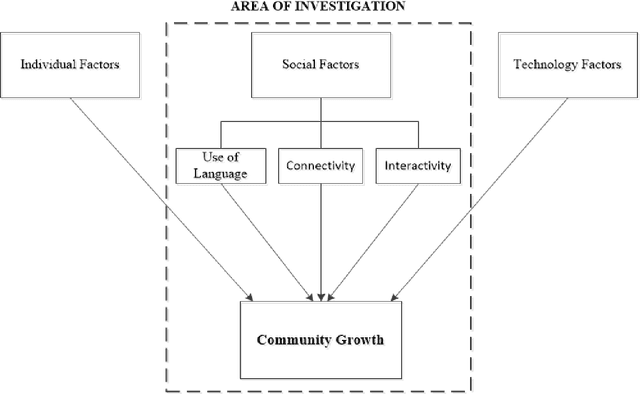
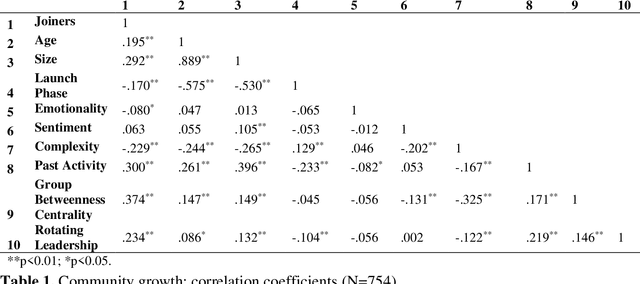
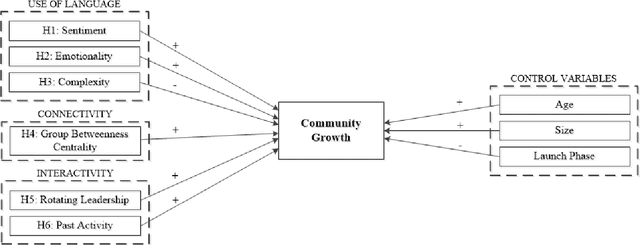
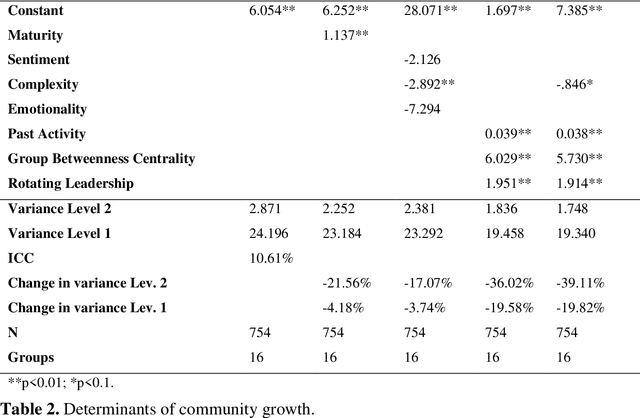
Purpose: The purpose of this paper is to identify the factors influencing the growth of healthcare virtual communities of practice (VCoPs) through a seven-year longitudinal study conducted using metrics from social-network and semantic analysis. By studying online communication along the three dimensions of social interactions (connectivity, interactivity and language use), the authors aim to provide VCoP managers with valuable insights to improve the success of their communities. Design/methodology/approach: Communications over a period of seven years (April 2008 to April 2015) and between 14,000 members of 16 different healthcare VCoPs coexisting on the same web platform were analysed. Multilevel regression models were used to reveal the main determinants of community growth over time. Independent variables were derived from social network and semantic analysis measures. Findings: Results show that structural and content-based variables predict the growth of the community. Progressively, more people will join a community if its structure is more centralised, leaders are more dynamic (they rotate more) and the language used in the posts is less complex. Research limitations/implications: The available data set included one Web platform and a limited number of control variables. To consolidate the findings of the present study, the experiment should be replicated on other healthcare VCoPs. Originality/value: The study provides useful recommendations for setting up and nurturing the growth of professional communities, considering, at the same time, the interaction patterns among the community members, the dynamic evolution of these interactions and the use of language. New analytical tools are presented, together with the use of innovative interaction metrics, that can significantly influence community growth, such as rotating leadership.
Big data and big values: When companies need to rethink themselves
May 25, 2021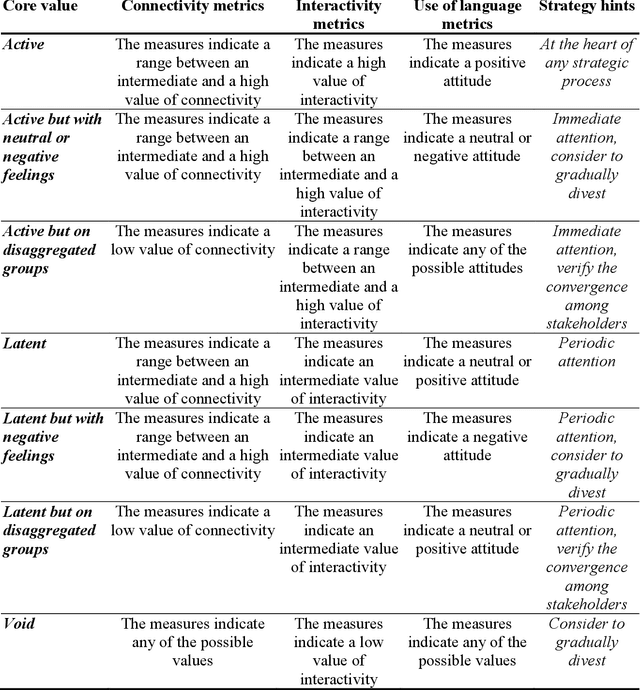
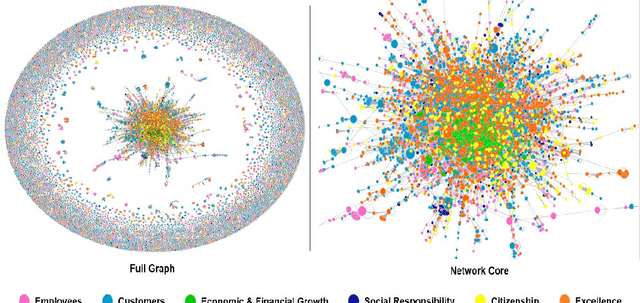
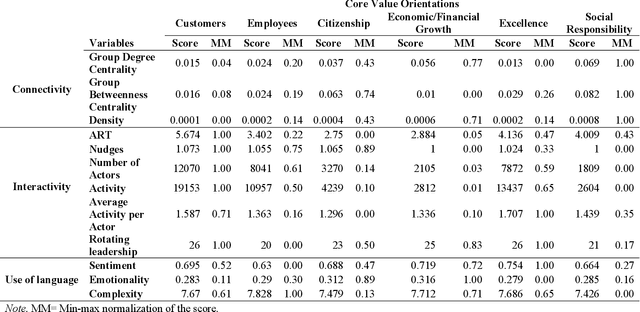
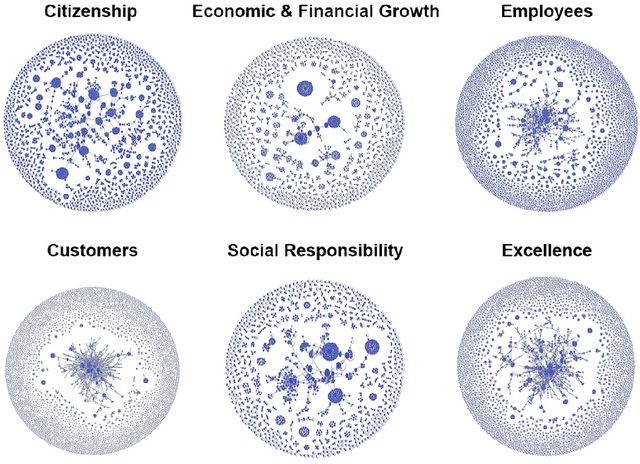
In order to face the complexity of business environments and detect priorities while triggering contingency strategies, we propose a new methodological approach that combines text mining, social network and big data analytics, with the assessment of stakeholders' attitudes towards company core values. This approach was applied in a case study where we considered the Twitter discourse about core values in Italy. We collected more than 94,000 tweets related to the core values of the firms listed in Fortune's ranking of the World's Most Admired Companies (2013-2017). For the Italian scenario, we found three predominant core values orientations (Customers, Employees and Excellence) - which should be at the basis of any business strategy - and three latent ones (Economic-Financial Growth, Citizenship and Social Responsibility), which need periodic attention. Our contribution is mostly methodological and extends the research on text mining and on online big data analytics applied in complex business contexts.
Look inside. Predicting stock prices by analysing an enterprise intranet social network and using word co-occurrence networks
May 25, 2021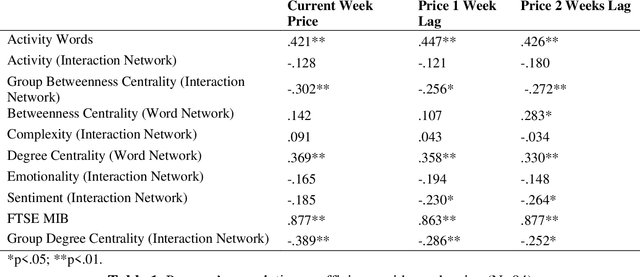
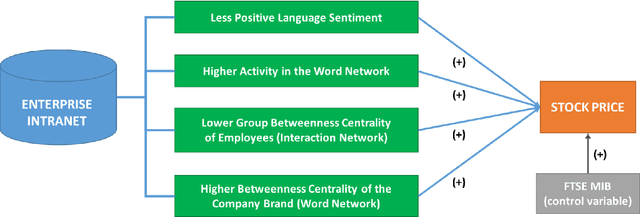
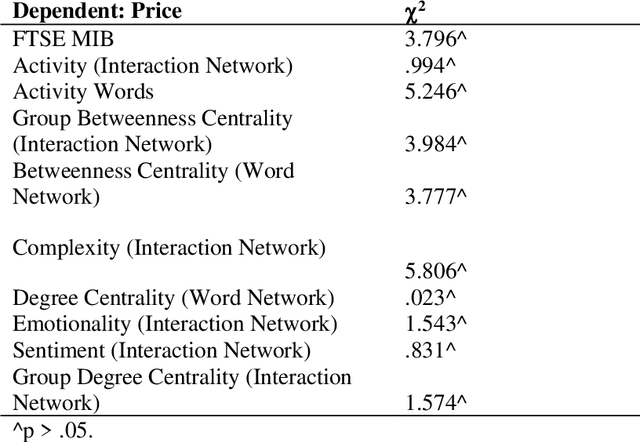
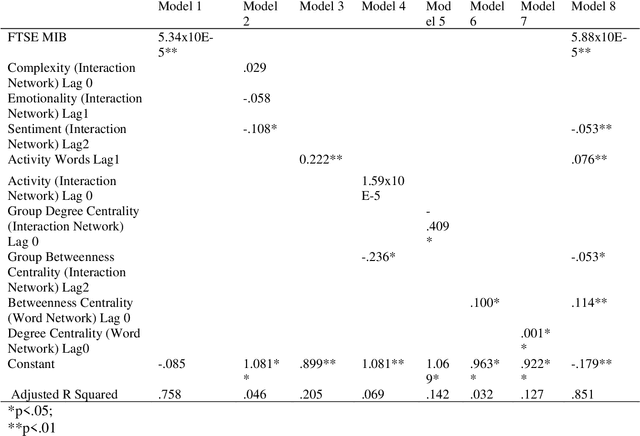
This study looks into employees' communication, offering novel metrics which can help to predict a company's stock price. We studied the intranet forum of a large Italian company, exploring the interactions and the use of language of about 8,000 employees. We built a network linking words included in the general discourse. In this network, we focused on the position of the node representing the company brand. We found that a lower sentiment, a higher betweenness centrality of the company brand, a denser word co-occurrence network and more equally distributed centrality scores of employees (lower group betweenness centrality) are all significant predictors of higher stock prices. Our findings offers new metrics that can be helpful for scholars, company managers and professional investors and could be integrated into existing forecasting models to improve their accuracy. Lastly, we contribute to the research on word co-occurrence networks by extending their field of application.